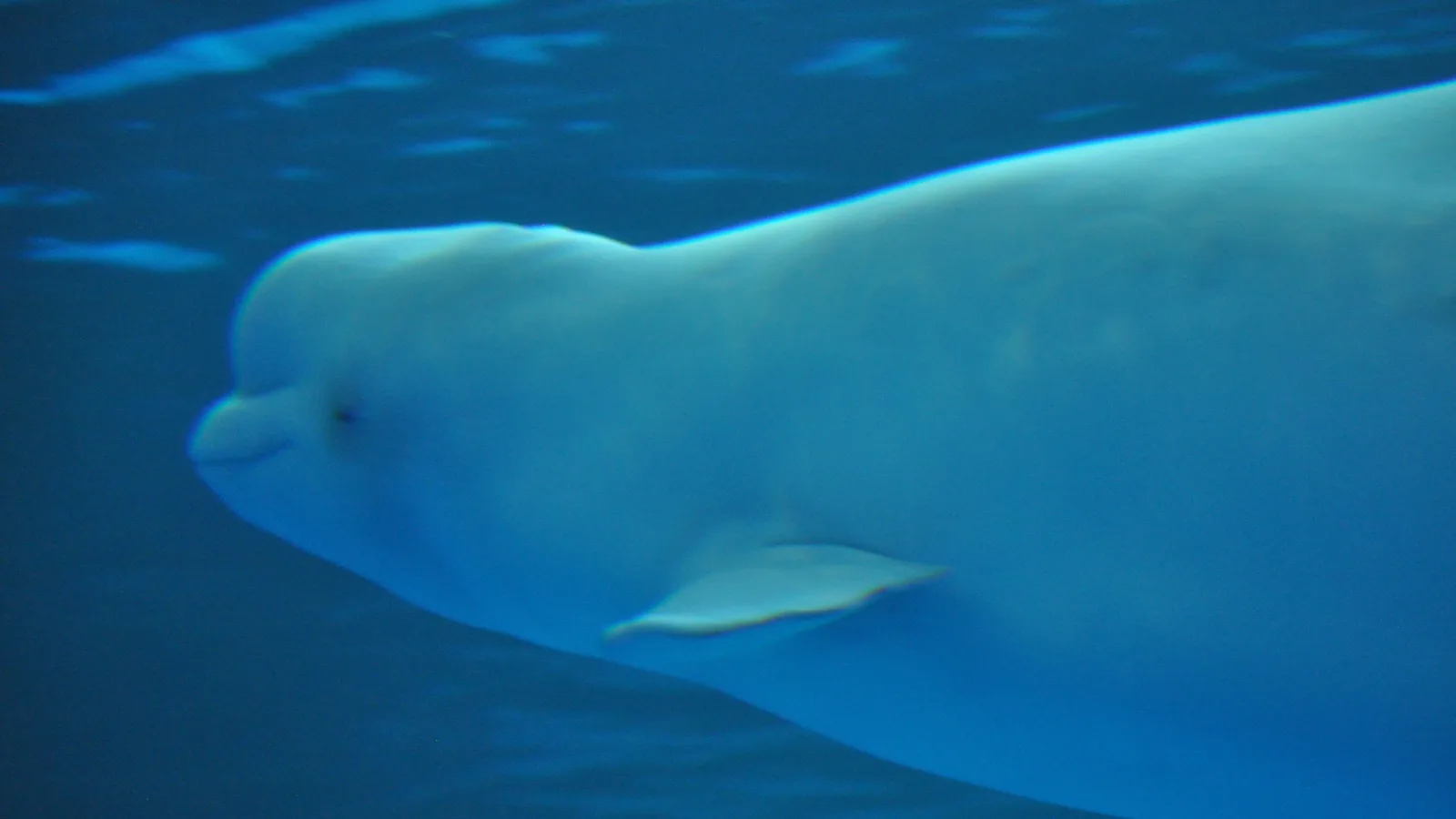
Osiris, a 26-year-old beluga moved from Canada's shuttered Marineland, died on 21 September at Chicago's Shedd Aquarium. She is the third Marineland whale to die there and the fourth from the 30-whale summer relocation.
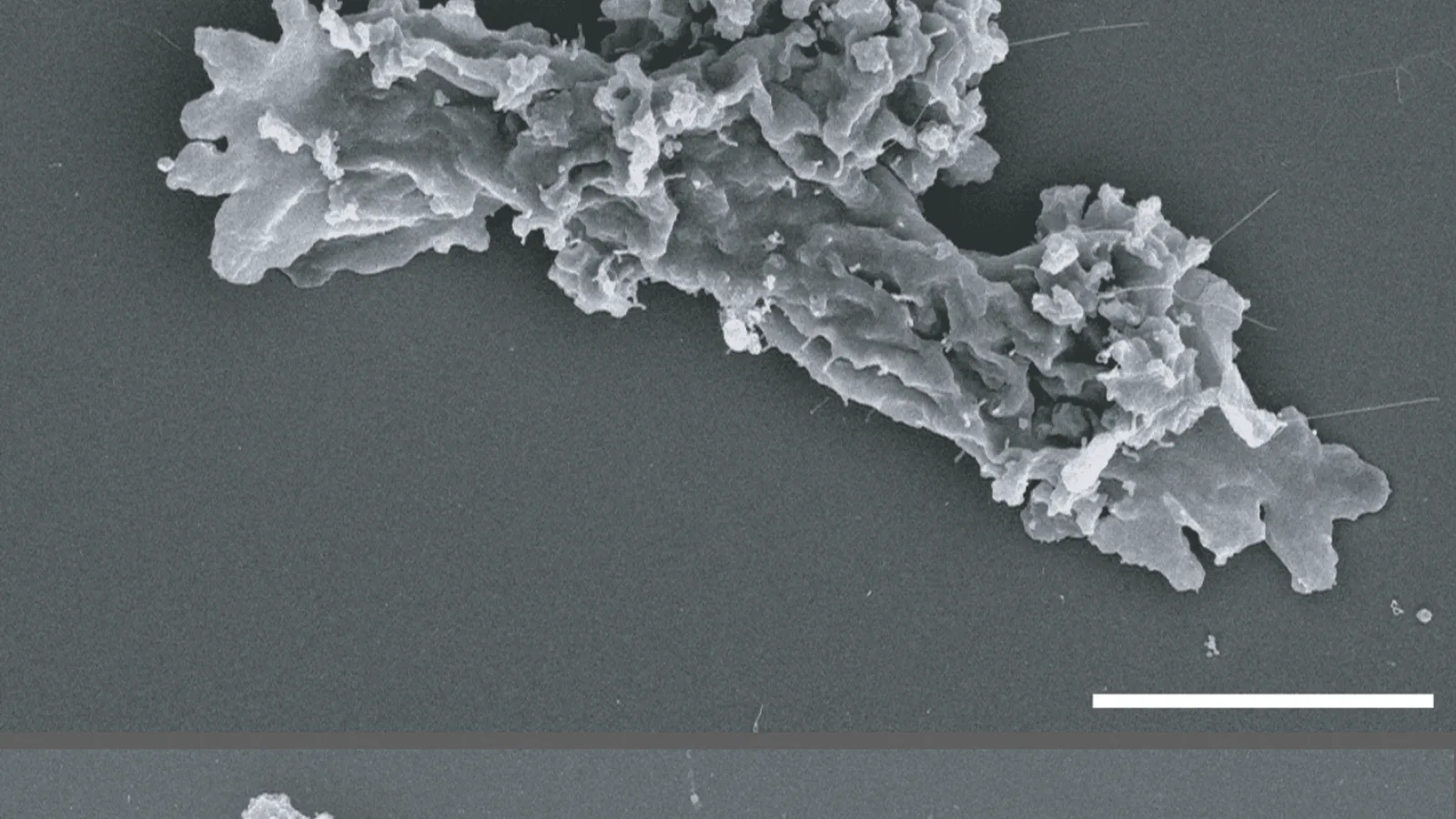
Incendiamoeba cascadensis, found in a Lassen hot spring and described in Cell on September 22, divides at 63°C and recovers from 70°C. The old eukaryote ceiling was 60°C.
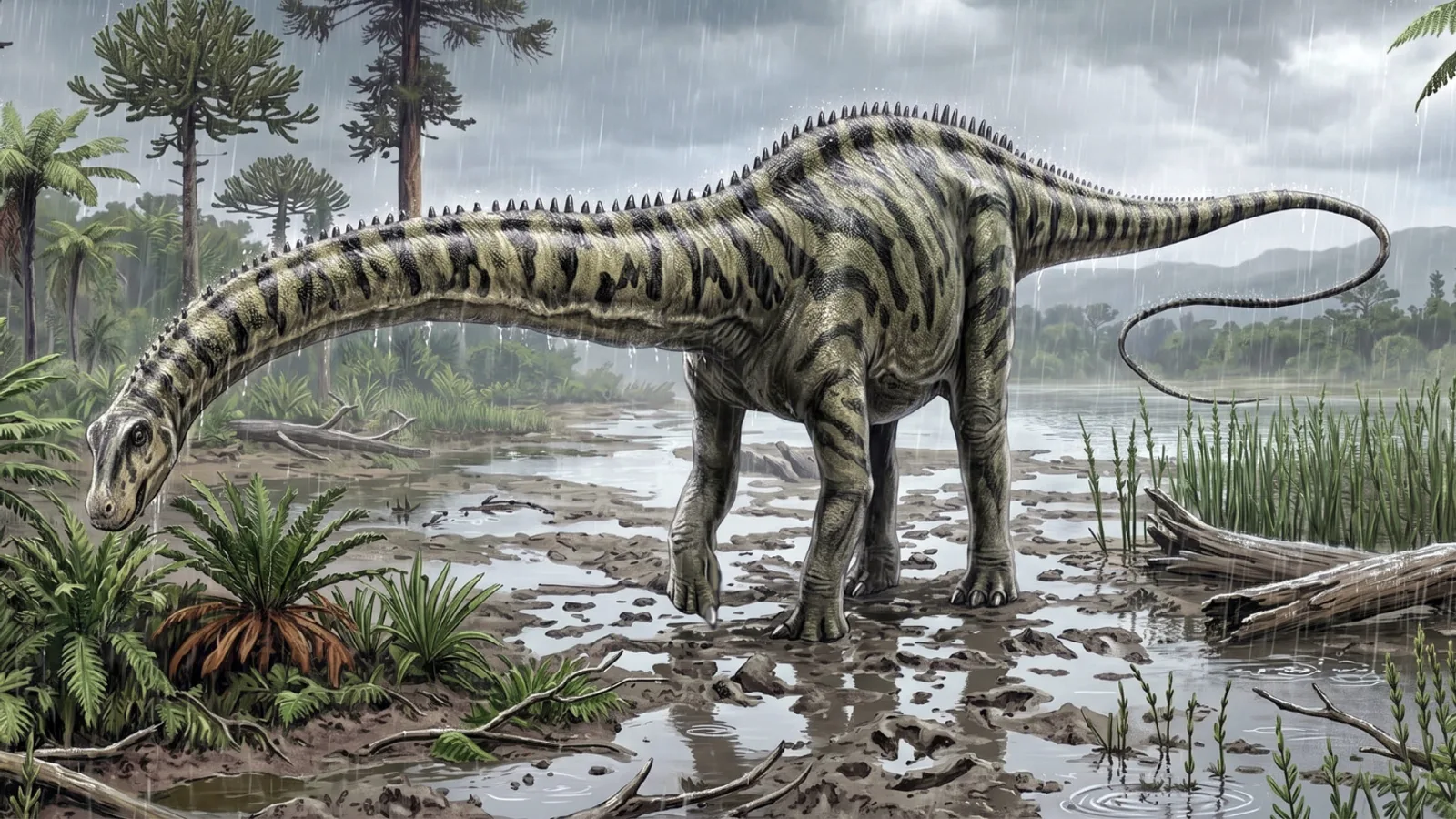
A sauropod excavated at El Castellar in Teruel, Spain, has been identified as a Diplodocus — the first found outside the Morrison Formation. The 25-metre animal points to Late Jurassic crossings of the proto-Atlantic.
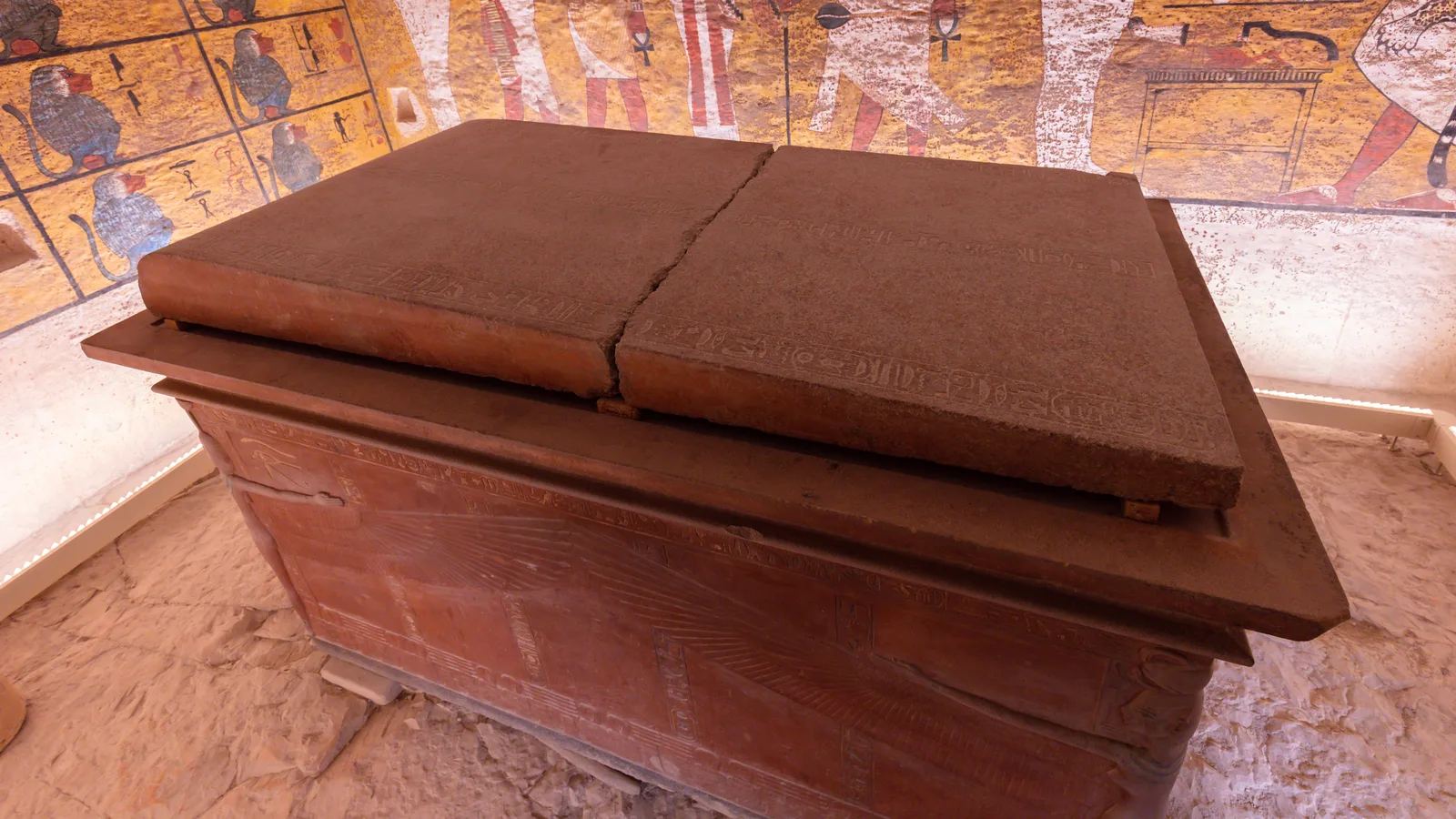
A survey published on 17 September 2026 reports a possible rubble-filled corridor beside Tutankhamun's burial chamber. Independent geophysicists urge caution, and a 2018 radar study had ruled hidden rooms out.
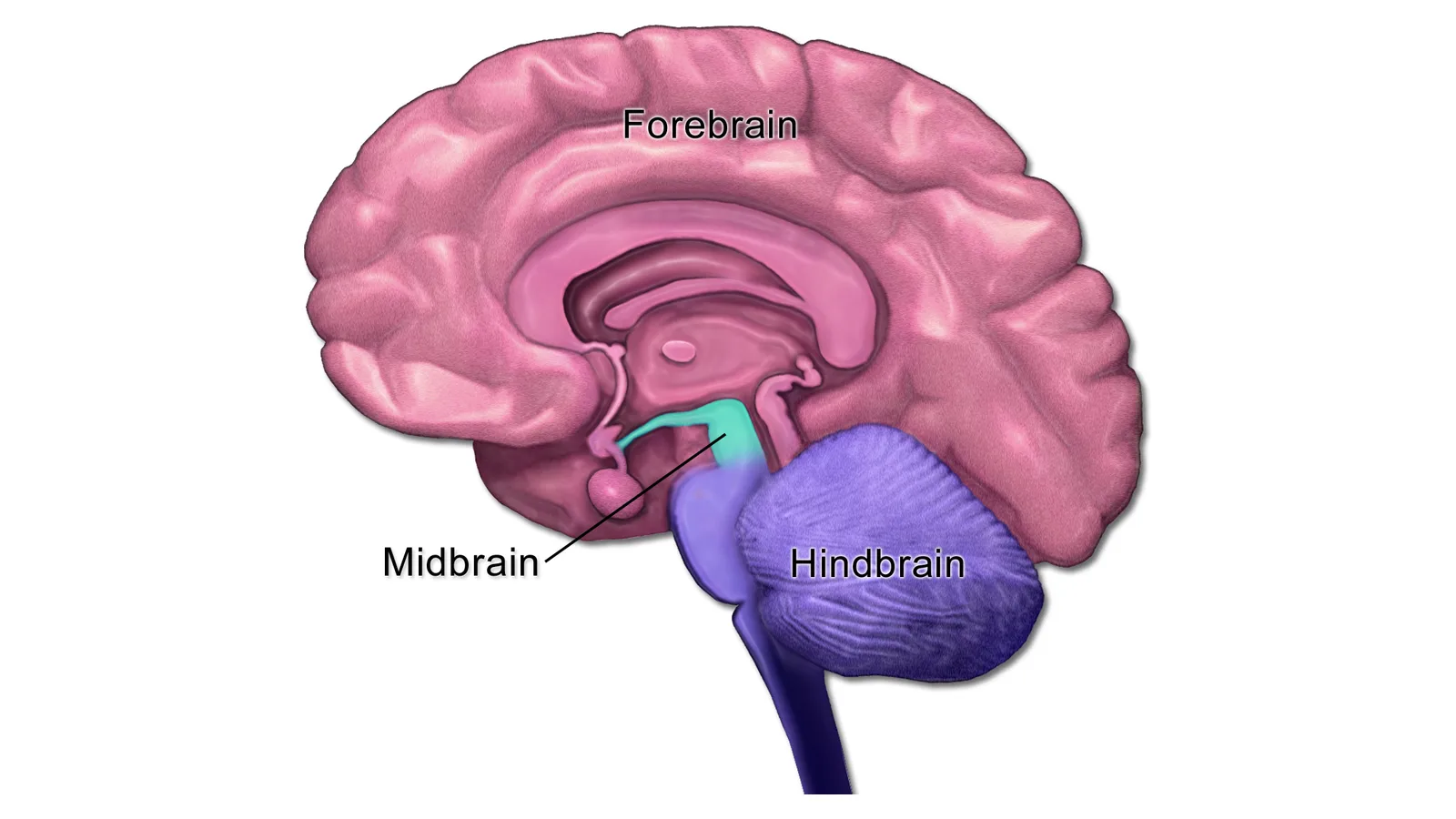
A Stanford Medicine-led study published September 18 in Nature Neuroscience finds the forebrain and the hindbrain come from two progenitor cell populations that never mix — and that split let the team grow human hindbrain motor neurons for the first time.
A paper published in Science on September 17, 2026 finds that differences between a network's components can increase stability instead of wrecking it — with implications for power grids, ecosystems and architected materials.
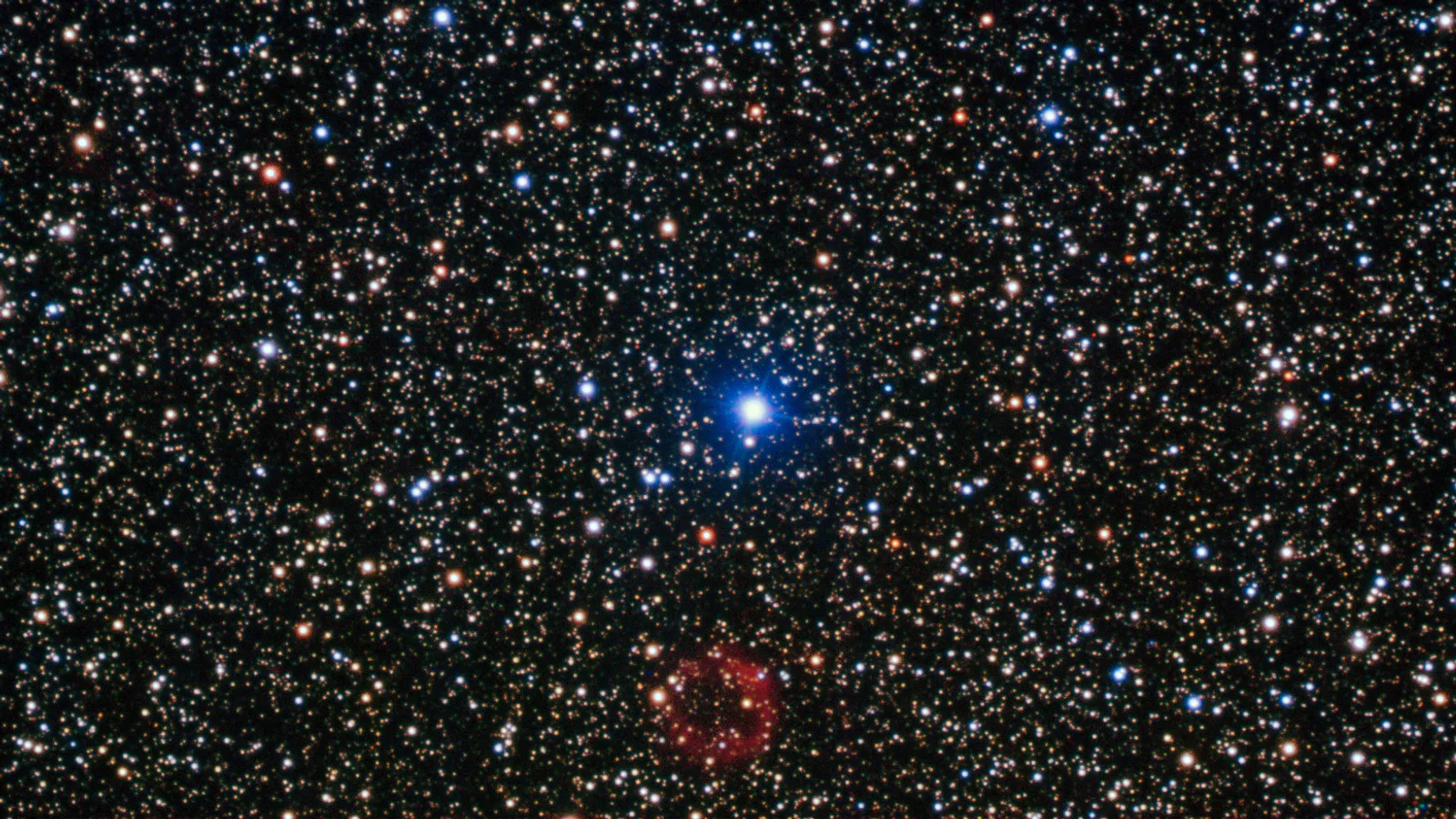
New VLT data published 16 September 2026 identify the core of Sakurai's Object as a [WC] star at about 30,500 K — one of only two “born-again” stars ever watched live.
Researchers have formally described Leopardus tilcayo, a 1.4-kilogram tiger cat from Bolivia's Yungas cloud forest — the first living cat species given a scientific description in more than a century.
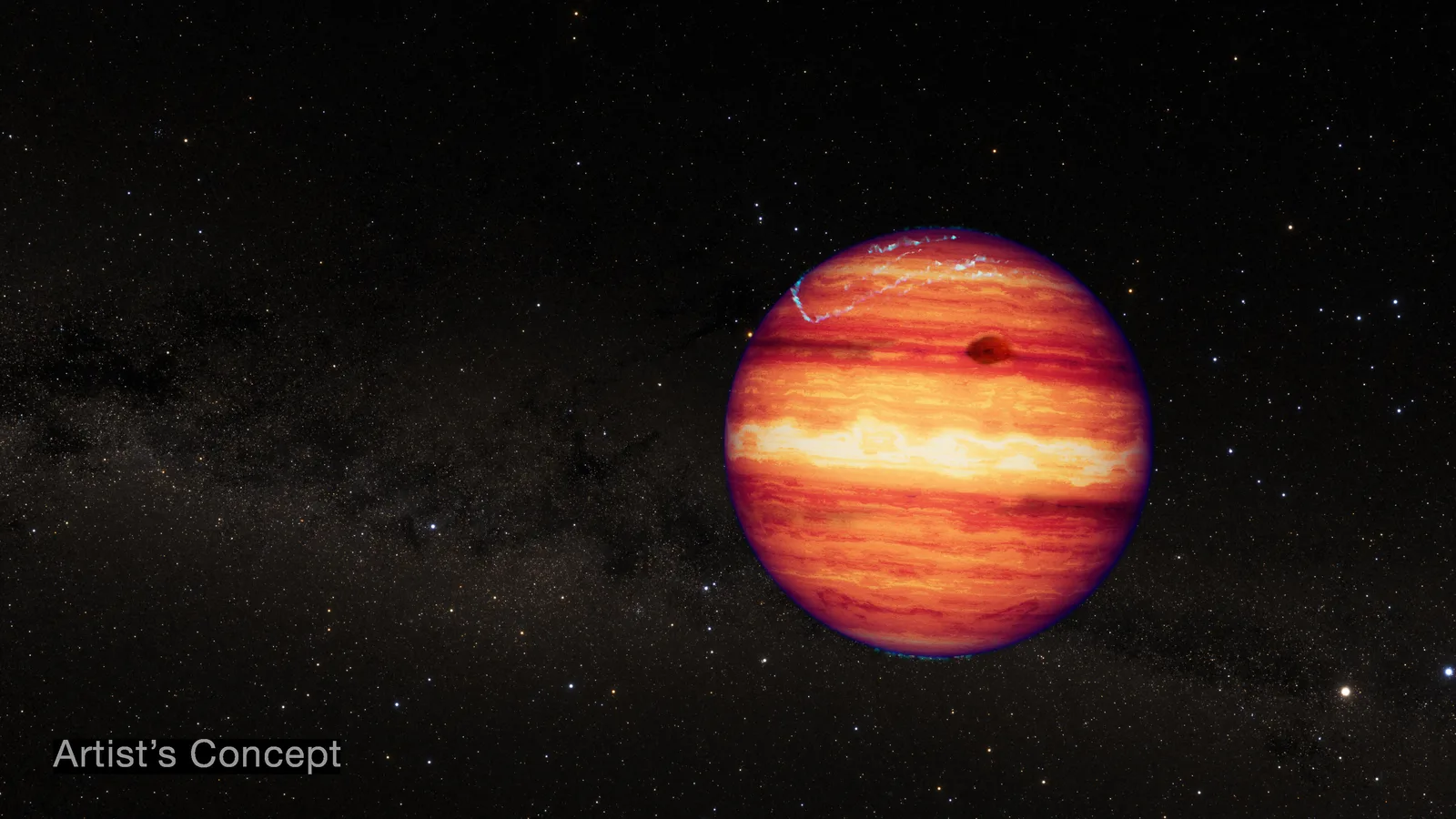
A Trinity College Dublin team applied Principal Component Analysis to JWST light curves of the starless super-Jupiter SIMP 0136 and found its weather is driven by just two processes, producing three recurring states. Published 16 September 2026 in Astronomy & Astrophysics.
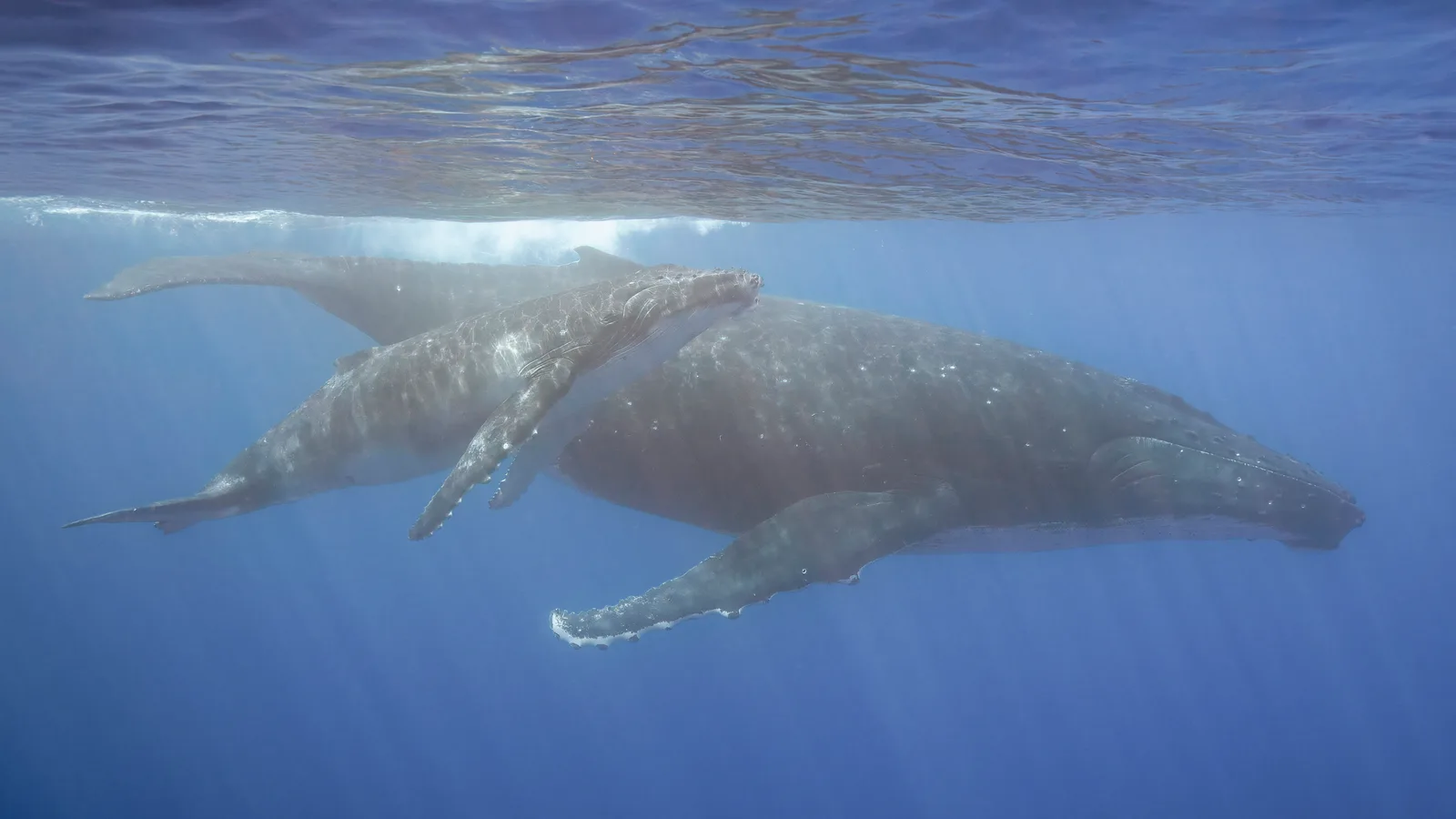
A study published on 16 September 2026 in Discover Animals documents a humpback whale remaining underwater beside her stillborn calf off Australia's Gold Coast — the first detailed record of the behaviour in the species.
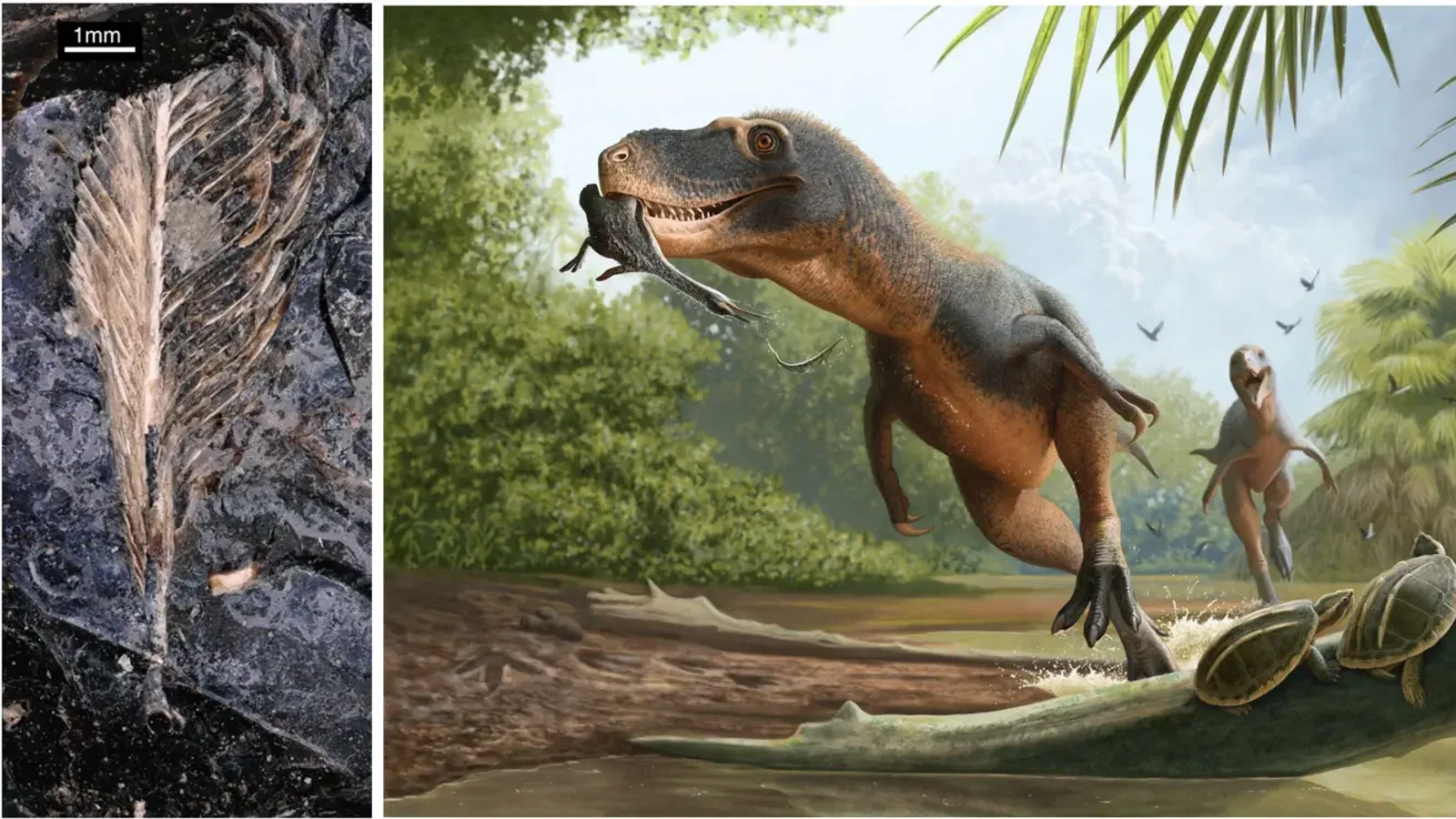
A coprolite collected in Montana's Hell Creek Formation in 2016 holds the first hesperornithiform feathers ever found. In Current Biology on September 10, 2026, researchers argue feather structure and moulting may help explain why the end-Cretaceous extinction spared some bird lineages and not others.
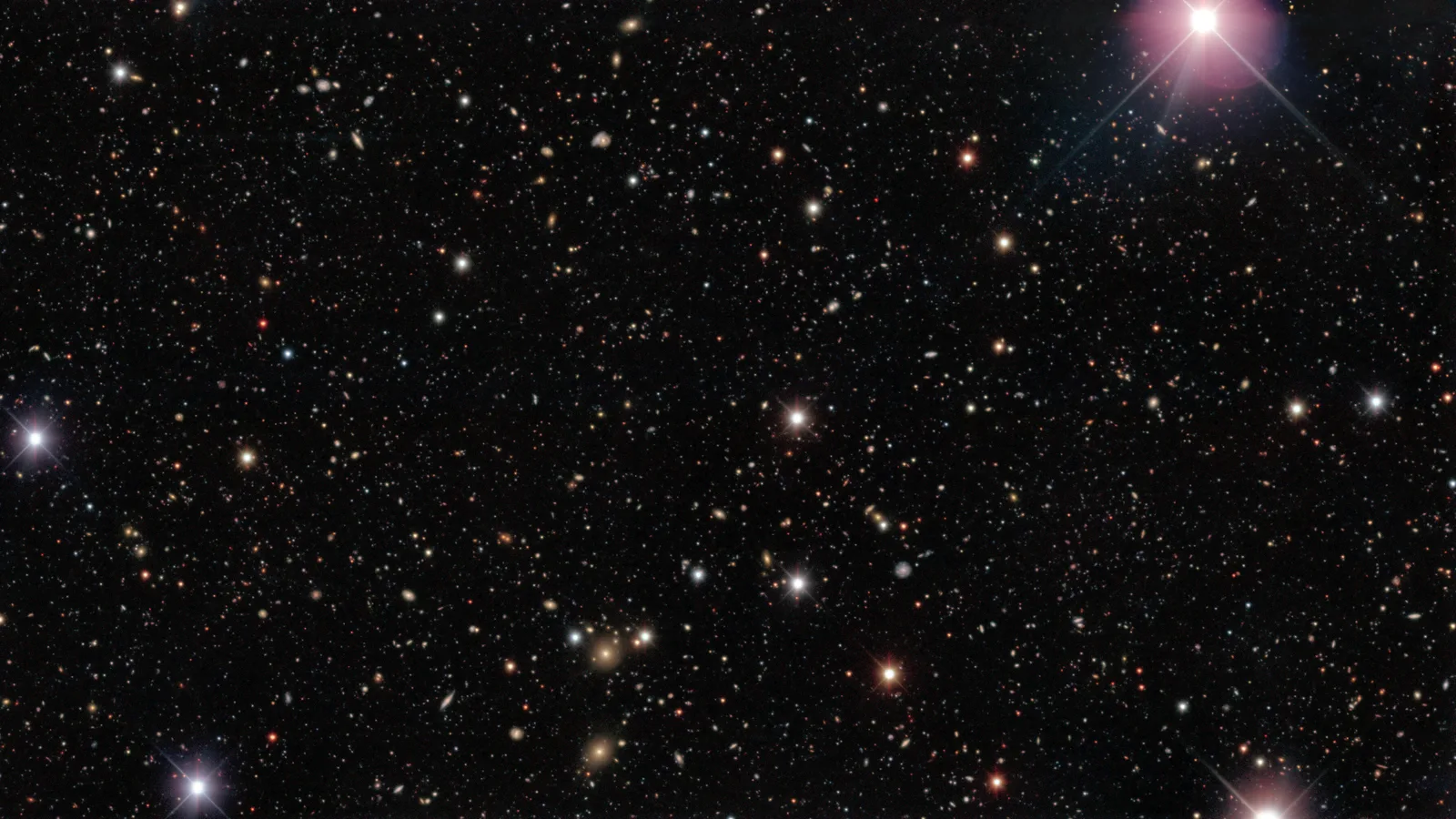
A University of Queensland-led team merged Pantheon+ and DES-SN5YR into 2,884 Type Ia supernovae. The combined fit favours dark energy that weakens over time at 3.3 sigma, but the Bayesian evidence shows only a weak preference.
#dark energy#supernova#cosmology#University of Queensland
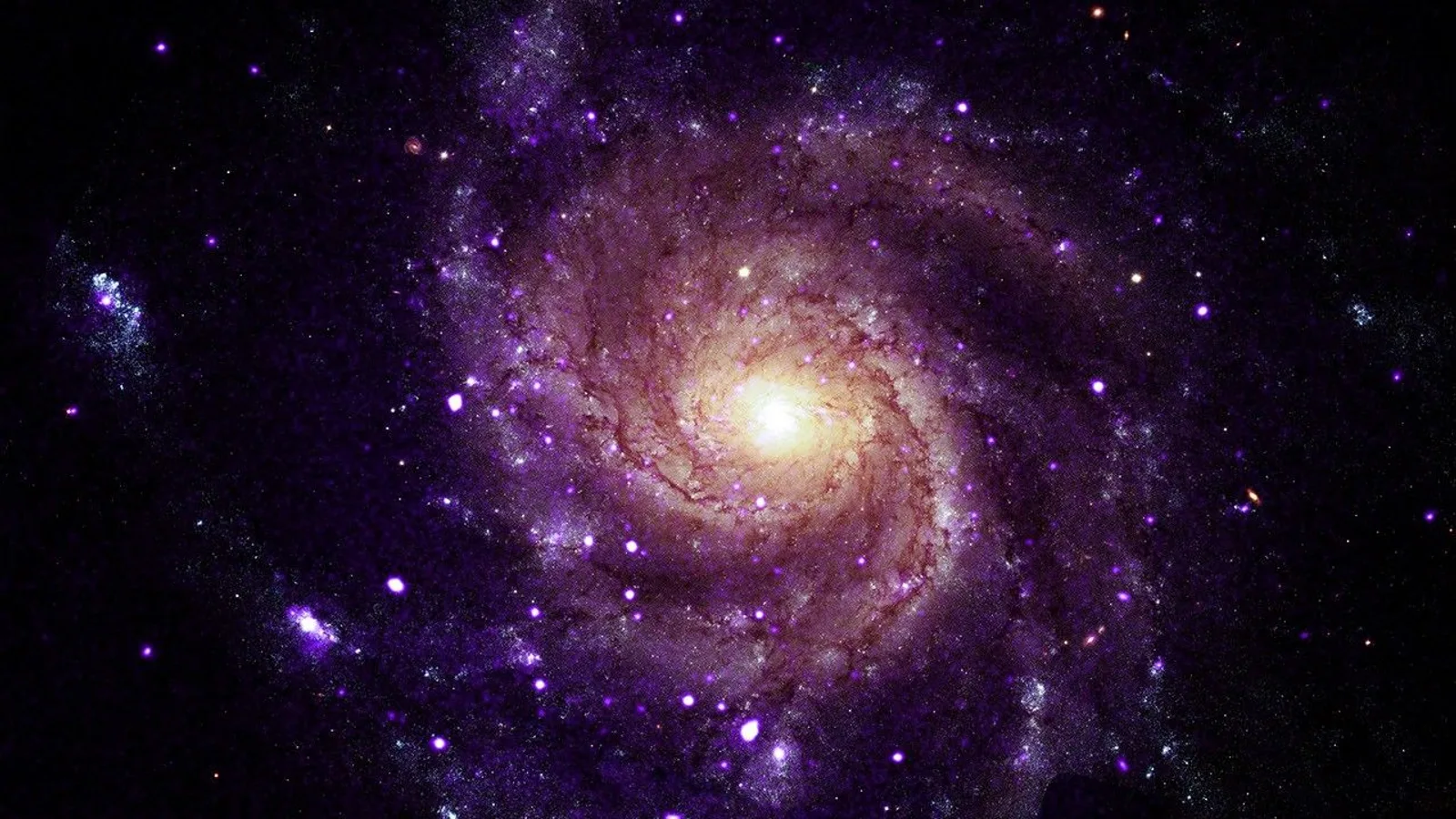
Astronomers combing NASA's Chandra public archive found 84 unclassified "hypersoft" X-ray sources in six galaxies, in a study NASA says was published Sept. 9, 2026 in Nature Astronomy. They shine at the softest X-ray energies alongside strong ultraviolet, and what they are is unconfirmed.
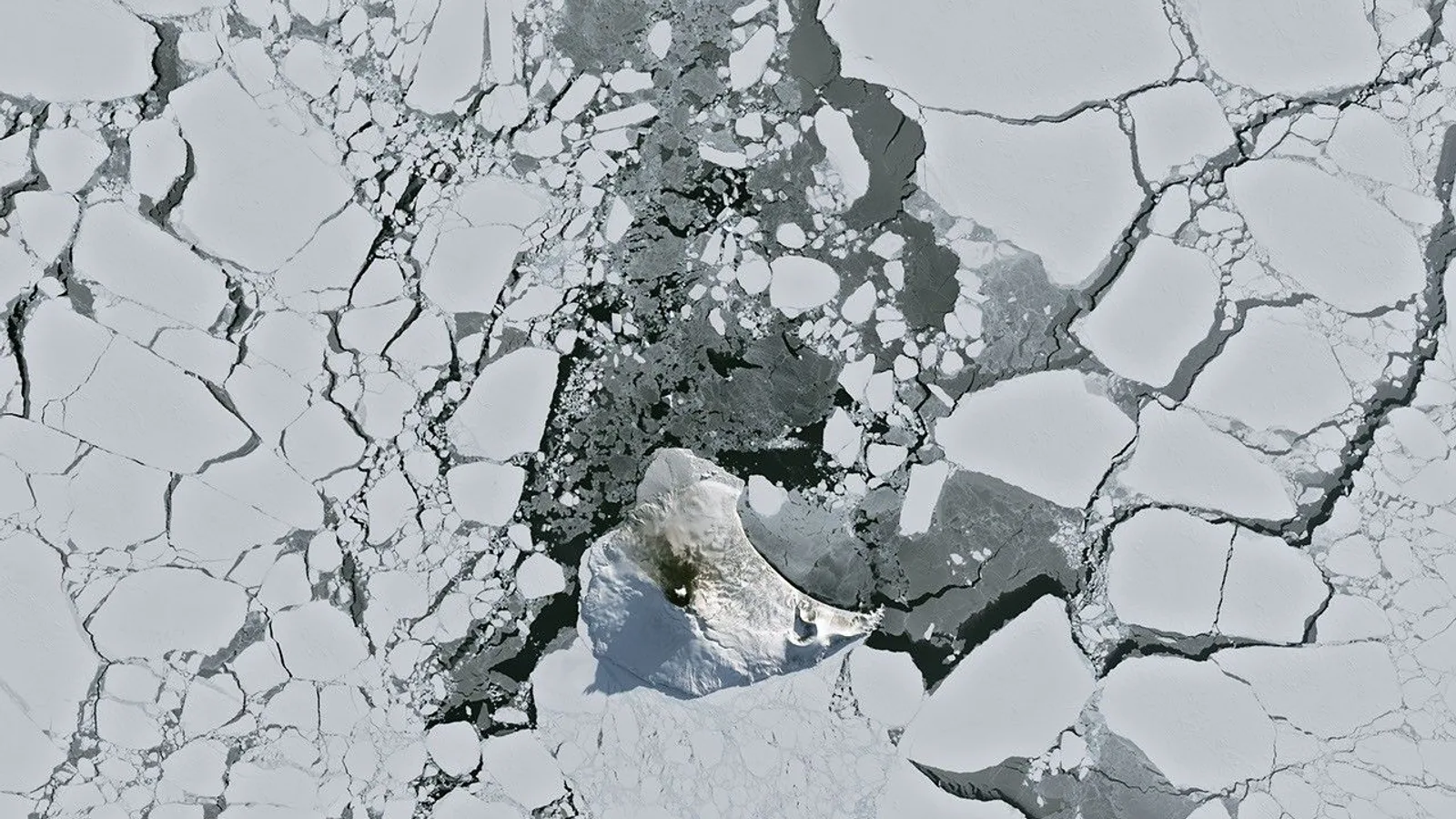
A Landsat 8 infrared overlay acquired on August 24, 2026 and published by NASA's Earth Observatory on September 7 shows heat from the lava lake inside Mount Michael's summit crater, on a South Atlantic island almost no one can reach.
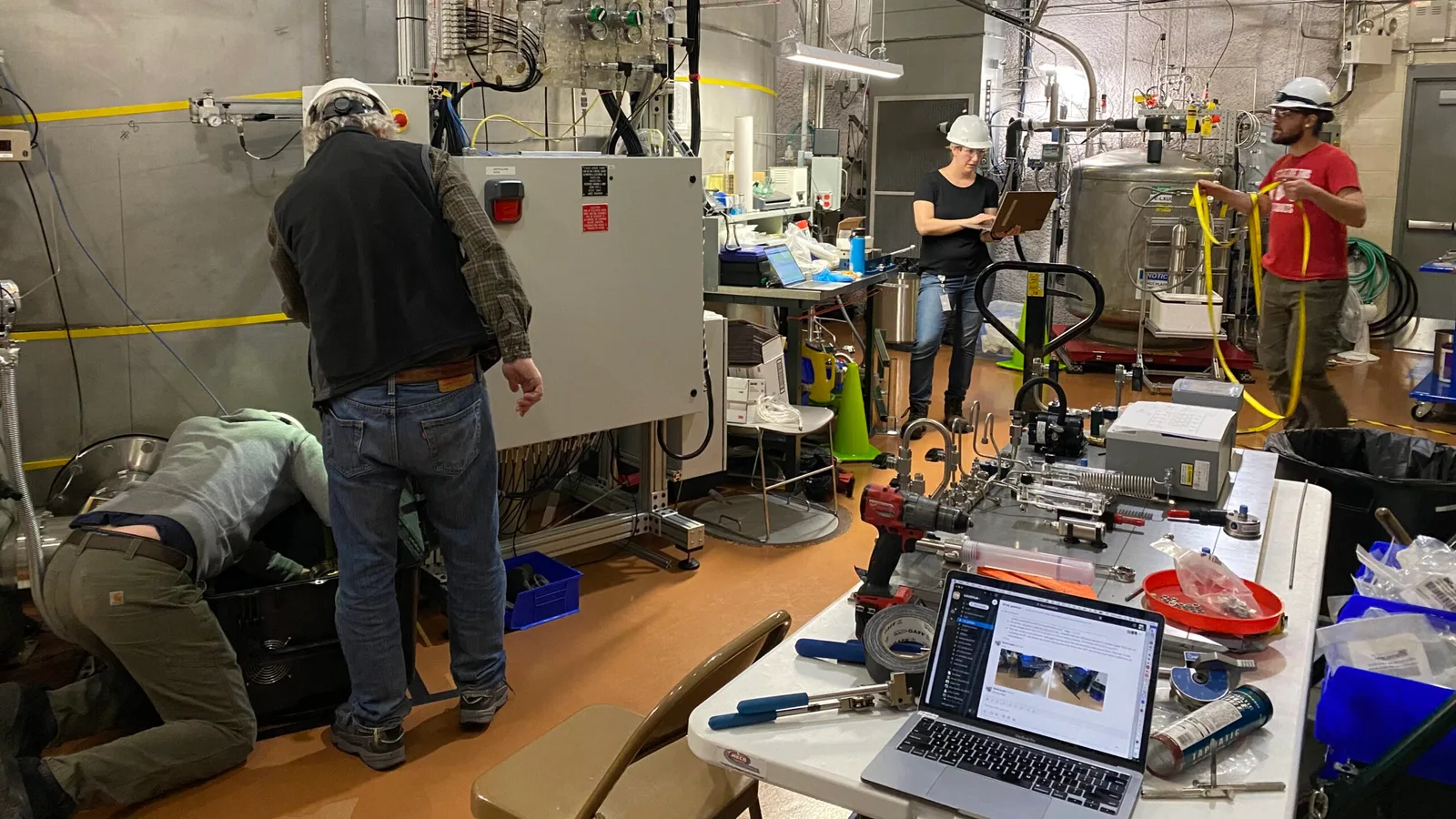
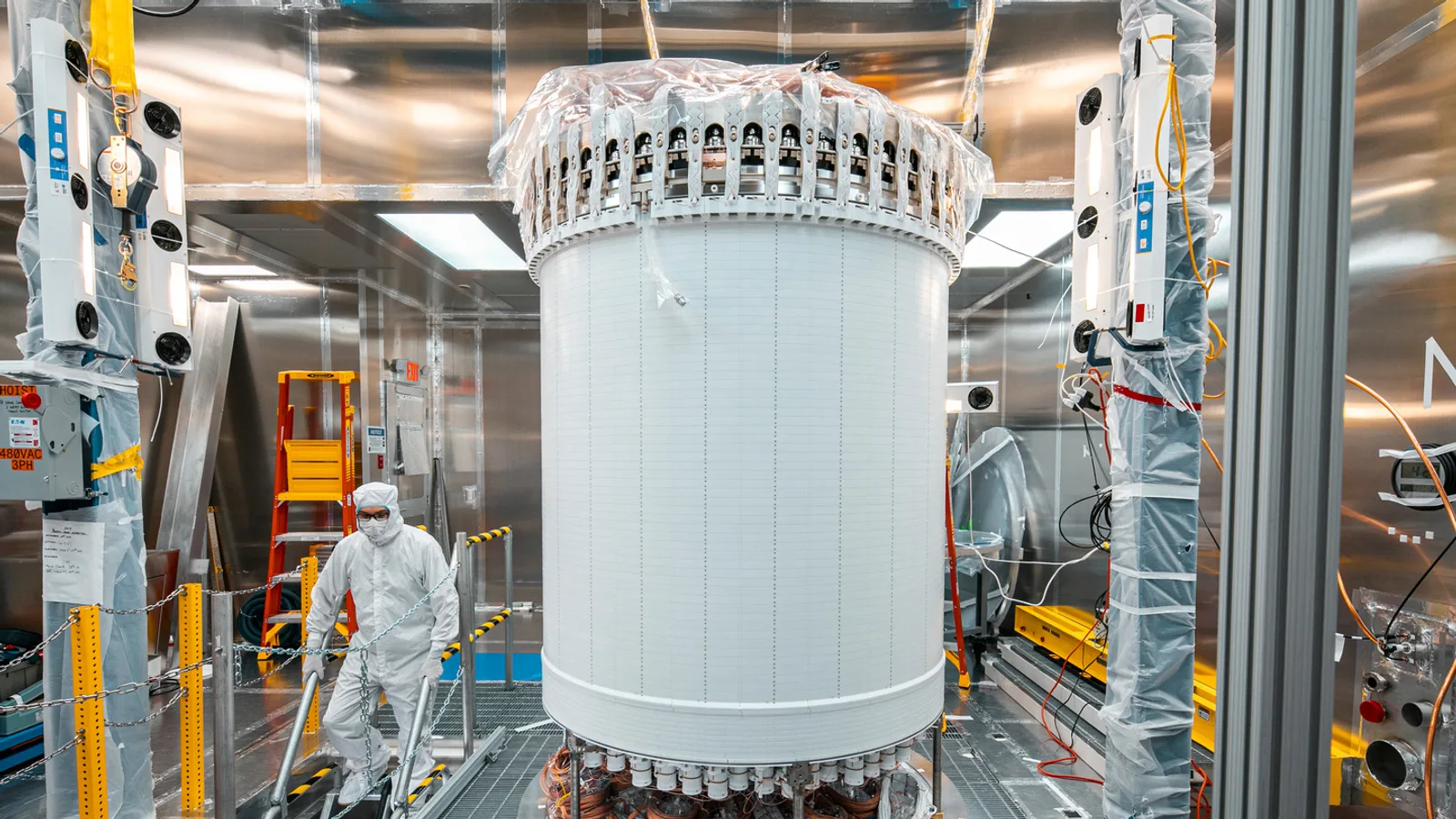
The LUX-ZEPLIN experiment recorded a single particle event that could be an early hint of dark matter, but scientists caution it falls far short of a discovery.
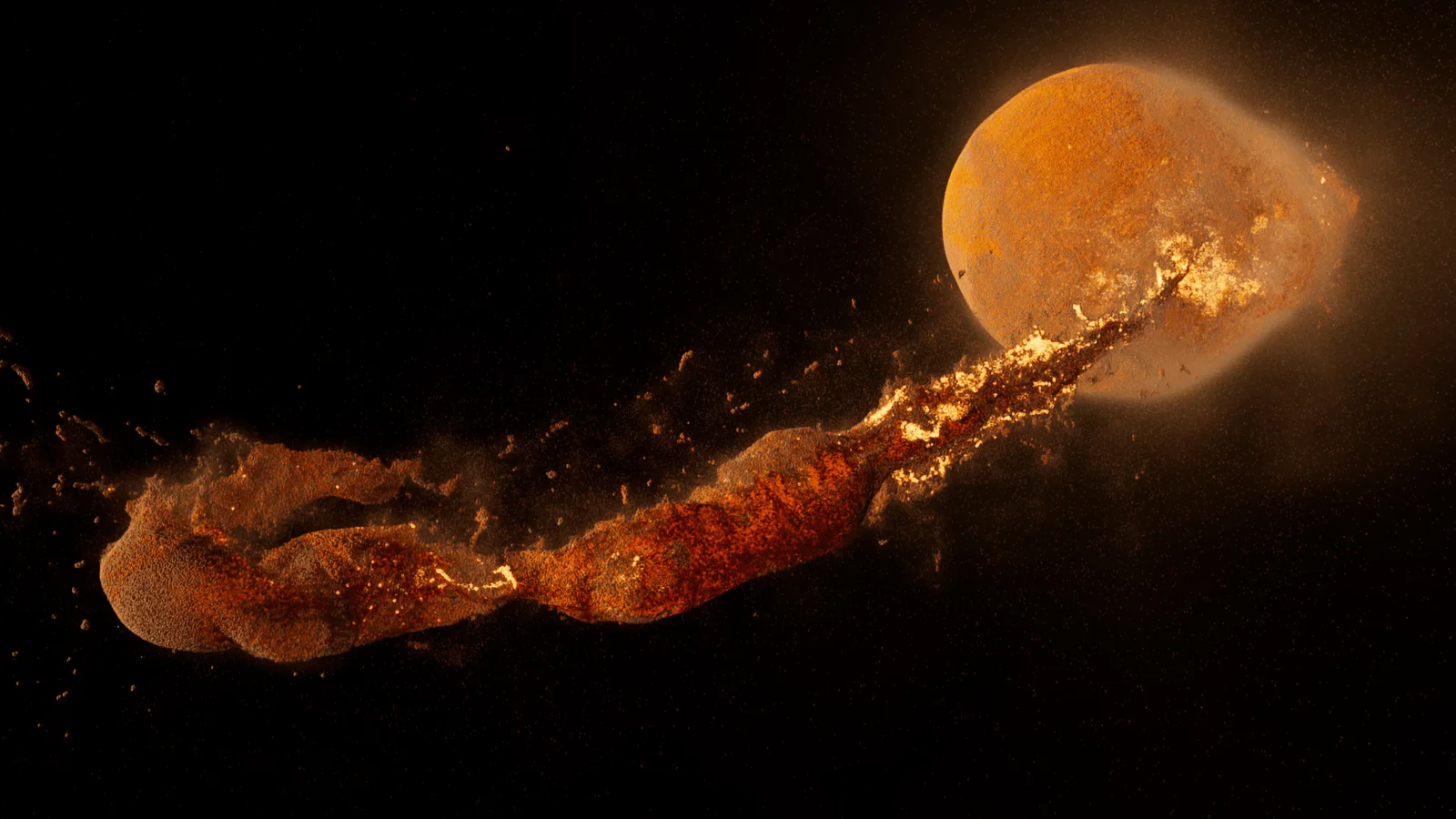
New supercomputer simulations from Southwest Research Institute and the University of Arizona suggest the Moon could have formed intact within about five hours of a giant impact on early Earth.
The LUX-ZEPLIN experiment has reported a single particle interaction that known signals struggle to explain, with a 0.5% chance of an ordinary cause. It is the strongest hint LZ has seen — and still far short of a discovery.
Physicists at the DIII-D tokamak found that Alfvén eigenmodes, long seen as a destabilizing flaw, actually generate shear flows that suppress microturbulence and raise plasma temperatures — a step toward practical fusion energy.
Scientists used DNA from a 190-year-old museum specimen to confirm the Himalayan pangolin, Manis aurita, as a distinct species — a discovery that could help fight trafficking in the world's most poached mammal.
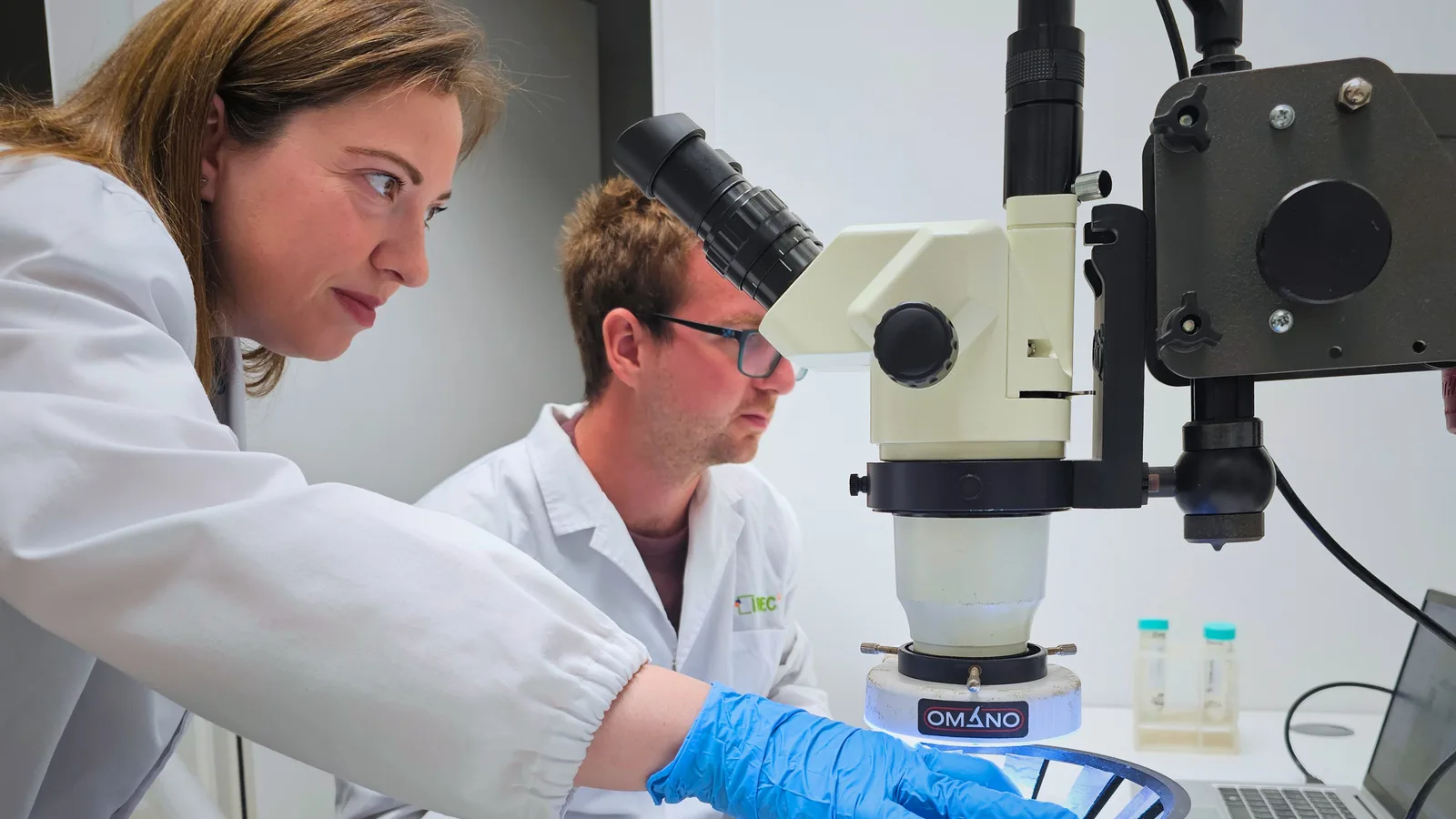
Barcelona researchers created photoswitchable drugs that restored vision-guided behavior in blind mice with no gene therapy or implants, using eye drops.
Washington State University researchers used AI to search 100 million configurations and printed NASA's GRCop-42 alloy at 500 watts for the first time.