Third Beluga From 30-Whale Rescue Dies at Chicago's Shedd
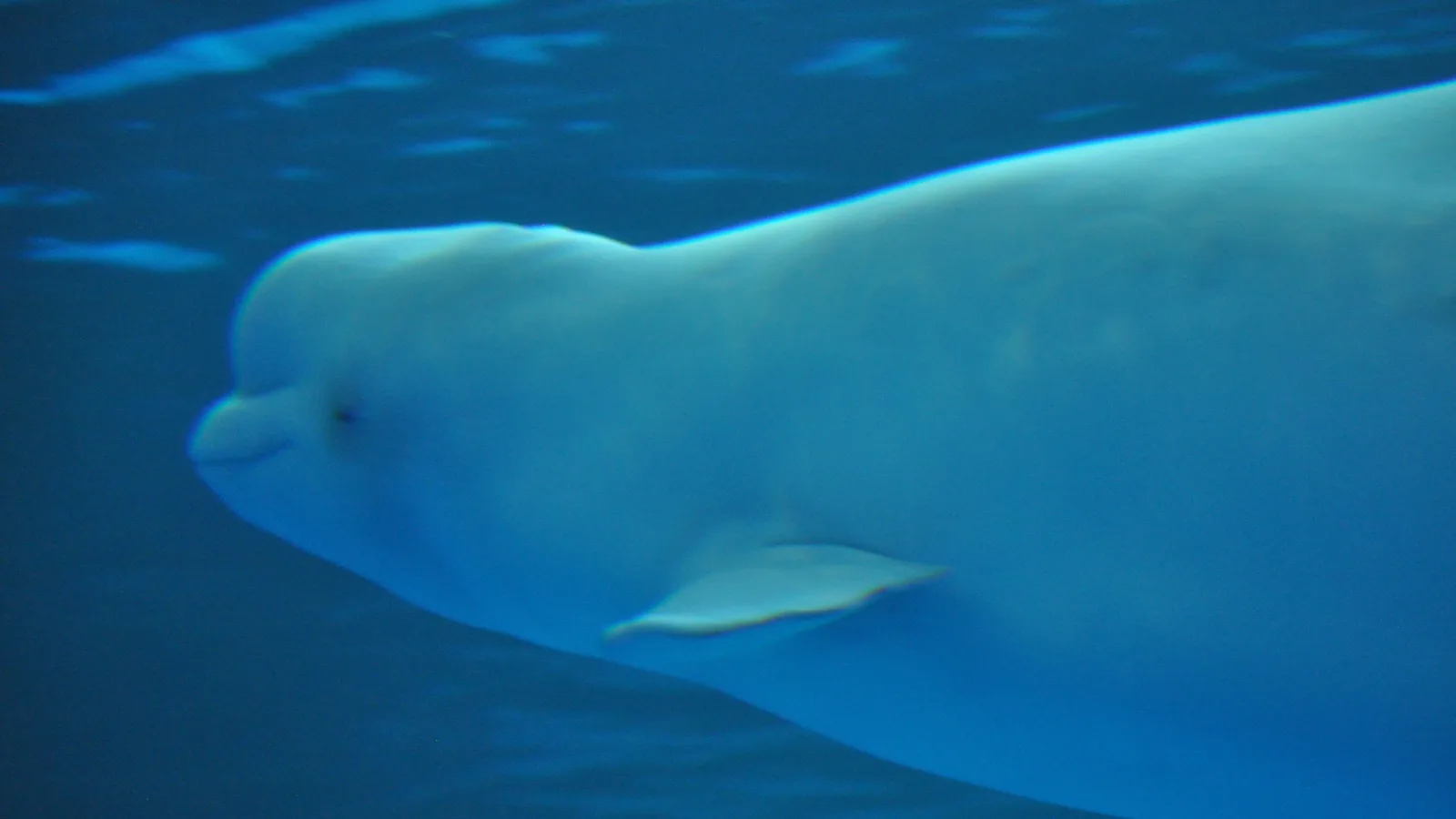
Osiris, a 26-year-old female beluga moved to Chicago's Shedd Aquarium from a shuttered Canadian marine park, died on Monday 21 September, the aquarium said in a statement reported by ABC7 Chicago. She is the third whale transferred from Marineland to die at the Shedd.
Keepers noticed sudden changes in Osiris's behaviour and respiratory patterns that morning and moved her to a medical habitat, the aquarium said; her condition “declined rapidly, and Osiris passed away despite lifesaving efforts by our veterinary and animal care teams.” The cause was not immediately clear, and a full necropsy will be carried out. Osiris had arrived in late July and was, in the aquarium's words, a “whale of clinical concern” from the day she got there, eating less consistently than the other whales.
The deaths have come close together. The Chicago Sun-Times reports that Peekachu, a 23-year-old female, died at the Shedd on 25 August and Rain, a 20-year-old female, on 2 September; Beethoven, a 34-year-old beluga who already lived at the aquarium and was not part of the transfer, also died on 2 September. Peekachu died on 25 August and Osiris on 21 September — four belugas, three of them from Marineland, died at the same aquarium inside those 27 days.
The Associated Press reports that the summer operation moved 30 belugas and four dolphins out of Marineland in Niagara Falls, Ontario, to aquariums in the United States and Spain after the Canadian government signed off on a last-minute agreement that spared the animals from euthanasia. The Shedd took 10 of the belugas. A fourth whale from the group, Jelly Bean, died last week at Oceanogràfic de València in Spain, where spokesperson José Rafael Serra said she died “suddenly and unexpectedly” after feeding difficulties prompted closer veterinary monitoring. The Georgia Aquarium said two whales it received showed decreased appetites but examinations found no issues, and SeaWorld told AP its whales are in “stable health.”
What happens next is largely a paperwork-and-pathology question. NOAA Fisheries spokesperson John Chu told AP the Shedd notified the agency of Osiris's death on Monday and that aquariums must submit the names and causes of death within 30 days, providing necropsy reports on request. Andrew Trites, who directs the Marine Mammal Research Unit at the University of British Columbia, told AP the timing is what stands out: “Four animals have died so shortly after arriving in the new homes, and that's what stands out to me as being surprising.” The Shedd said the animals “arrived with significant vulnerabilities and that the outcome for every individual could not be guaranteed,” adding that this “does not lessen the heartbreak of Osiris's loss."
Sources
- The Associated Press (via News4Jax)Agency
- ABC7 Chicago (WLS-TV)Secondary
- Chicago Sun-TimesSecondary
Related
Amoeba Breeds at 63°C, Past the 60°C Limit for Complex Life
First Diplodocus Found Outside North America, in Spain
1,200 Gravity Readings Revive King Tut Hidden-Chamber Debate
Stanford Study: Human Brain Grows From Two Separate Origins
Northwestern Study: Disorder Can Make Networks Stabler
Sakurai's Object Is Six Times Hotter Than 30 Years Ago
Leopardus Tilcayo: First New Wild Cat Named in 100 Years
JWST Data Reveals Three Repeating Weather States 20 Light-Years Away
Trending now
- 996 Zyxel Switches Looted in 48 Countries; Patch Due Sept. 24
- US-China Trade Truce Extended to Jan. 10 as Xi Visits
- Amoeba Breeds at 63°C, Past the 60°C Limit for Complex Life
- Oracle Invokes Force Majeure on 2.45GW Stargate Data Center
- F5 Patches Exploited BIG-IP Flaw; CISA Deadline Is Sept. 25
- Diller Drops $18B MGM Bid; Stock Falls 9.5% to February Levels
- Taylor Swift Adds 4 Songs to ‘Showgirl’ in Sept. 25 Encore
- Attacks on WordPress RCE Flaw Rose Tenfold After Sept. 22 Fix
Comments
No comments yet. Be the first.