NASA Confirms McGetchin: 222-Meter Moon Crater Formed in 2024
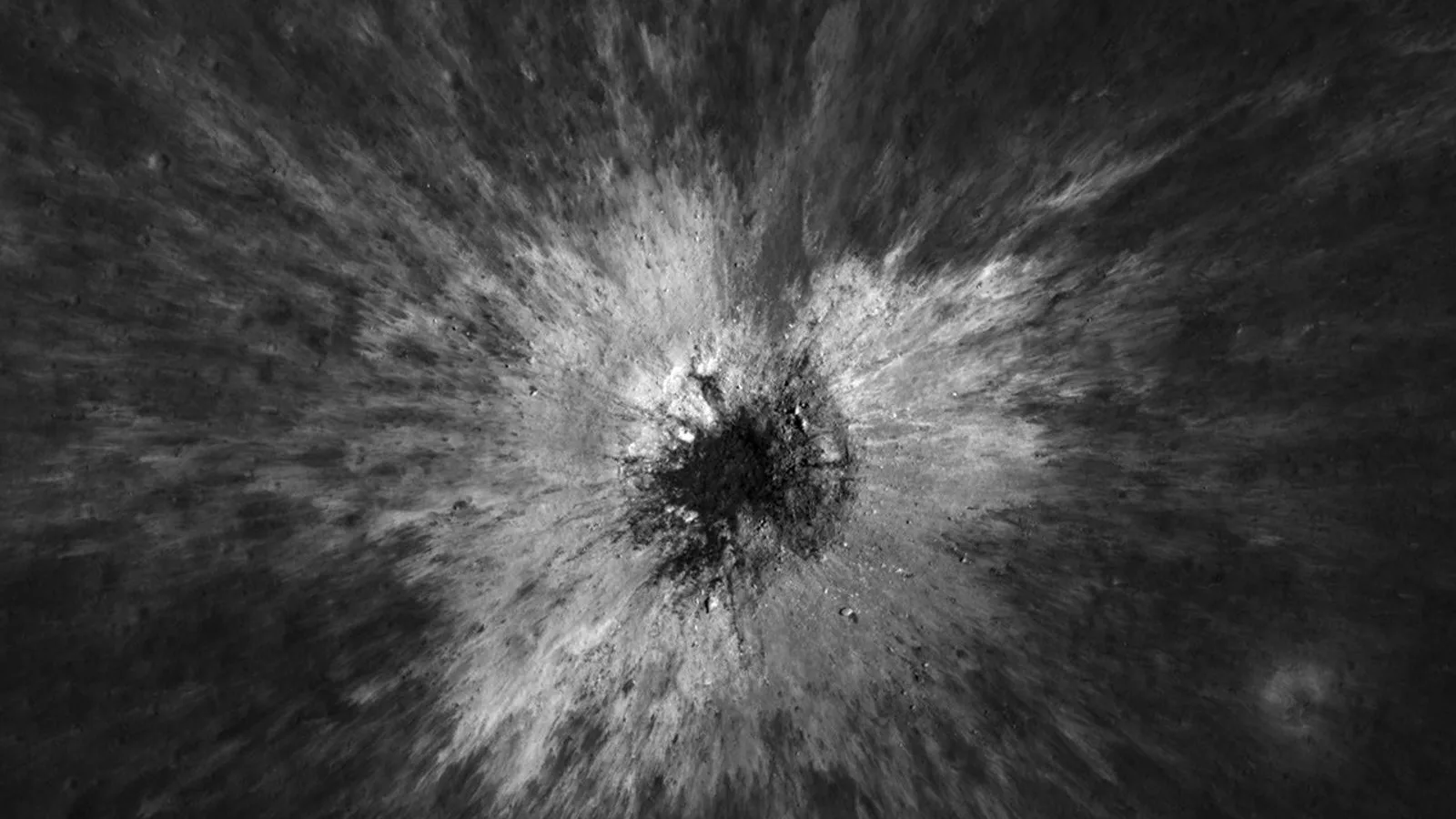
NASA has confirmed and named the largest freshly formed impact crater ever verified anywhere in the solar system. The scar, now called McGetchin crater, measures 222 meters (728 feet) across and 43 meters (141 feet) deep, and it was carved into the lunar surface at some point between April 11 and May 22, 2024. According to NASA, the object that made it was an asteroid or a comet roughly the size of a three- to six-story building.
The announcement came on September 16, 2026, but the detective work started much earlier. Robert Wagner, an image-processing specialist working on the Lunar Reconnaissance Orbiter Camera team at Intuitive Machines, noticed the crater on October 24, 2025 while running a routine data-quality check on Wide-Angle Camera frames. Because the orbiter had photographed the same patch of ground before the impact, the team could bracket the event to a 41-day window rather than guess at it. The findings were published on September 16, 2026 in two papers in the journal Science Advances: "A new 222-m diameter lunar crater," led by M. S. Robinson, and "New lunar crater reveals extensive distal regolith modification," led by D. A. Paige of the University of California, Los Angeles. The crater is named for Thomas McGetchin, a lunar scientist who once directed the Lunar and Planetary Institute in Houston.
What makes this more than a curiosity is how rarely it happens. Researchers cited by Phys.org estimate that an impact of this magnitude occurs on the Moon only about once every 132 years. NASA's own account is more cautious, describing such an event as happening roughly once a century or even longer. Either way, the practical payoff is the same: for the first time, scientists have high-resolution images of the same lunar terrain from before and after a strike of this size, which turns a statistical estimate into a measured event. The second paper found that the impact did not simply dig a hole — it reworked the loose surface layer far beyond the crater rim. "We're now thinking of impacts as a way to garden the regolith — churning the sediments and putting stuff above that's usually below the surface," Paige told Phys.org.
Several things remain open. The exact day of the impact is still unknown inside the April–May 2024 window, and the published work does not settle whether the object was an asteroid or a comet. The orbiter continues to photograph the site — the Narrow Angle Camera image released with the announcement was taken on December 5, 2025 — and repeat passes should show how quickly the fresh ejecta blanket fades back into the surrounding surface.
Sources
- NASA SciencePrimary source
- Phys.orgSecondary
- ScienceDailySecondary
Related
NASA: Roman Telescope Has Fuel for 22 Years, Not 10
NASA Awards SpaceX $946M for Three More ISS Crew Flights
Elias 2-24 b Confirmed as Youngest Planet, Under 1 Million Years
USSF-259: Third Classified Space Force Launch in a Month
Study: Tides Alone Could Explain Why Venus Has No Moon
NASA: Roman Telescope Has Fuel for at Least 22 Years
SpaceX's 700th Falcon Flight Completes SES's 13-Satellite Net
Rocket Lab Protests NASA's $700M Mars Orbiter Award to Blue Origin
Trending now
- Typhoon Dujuan Nears Tokyo at 965 hPa; JR East Halts Chiba Lines
- Claude Leads 26% of Anthropic's AI R&D, Up From 1% in March
- Plugin4Shell: 4 AI Coding Agents Hit, 2 Still Unpatched
- Waymo Picks Singapore for 2028 Robotaxi Launch, First in SE Asia
- Google Says Gemini Hacked Three Real Companies in May Test
- Sharks Feed on Beached Whale in Jamaica; NEPA Warns Swimmers
- OpenAI Sees $278B Cash Burn, $856B Compute Bill by 2030
- Helldivers 2 Off UK Steam Store Since Sept 16, Sony Responds
Comments
No comments yet. Be the first.