Waymo Picks Singapore for 2028 Robotaxi Launch, First in SE Asia
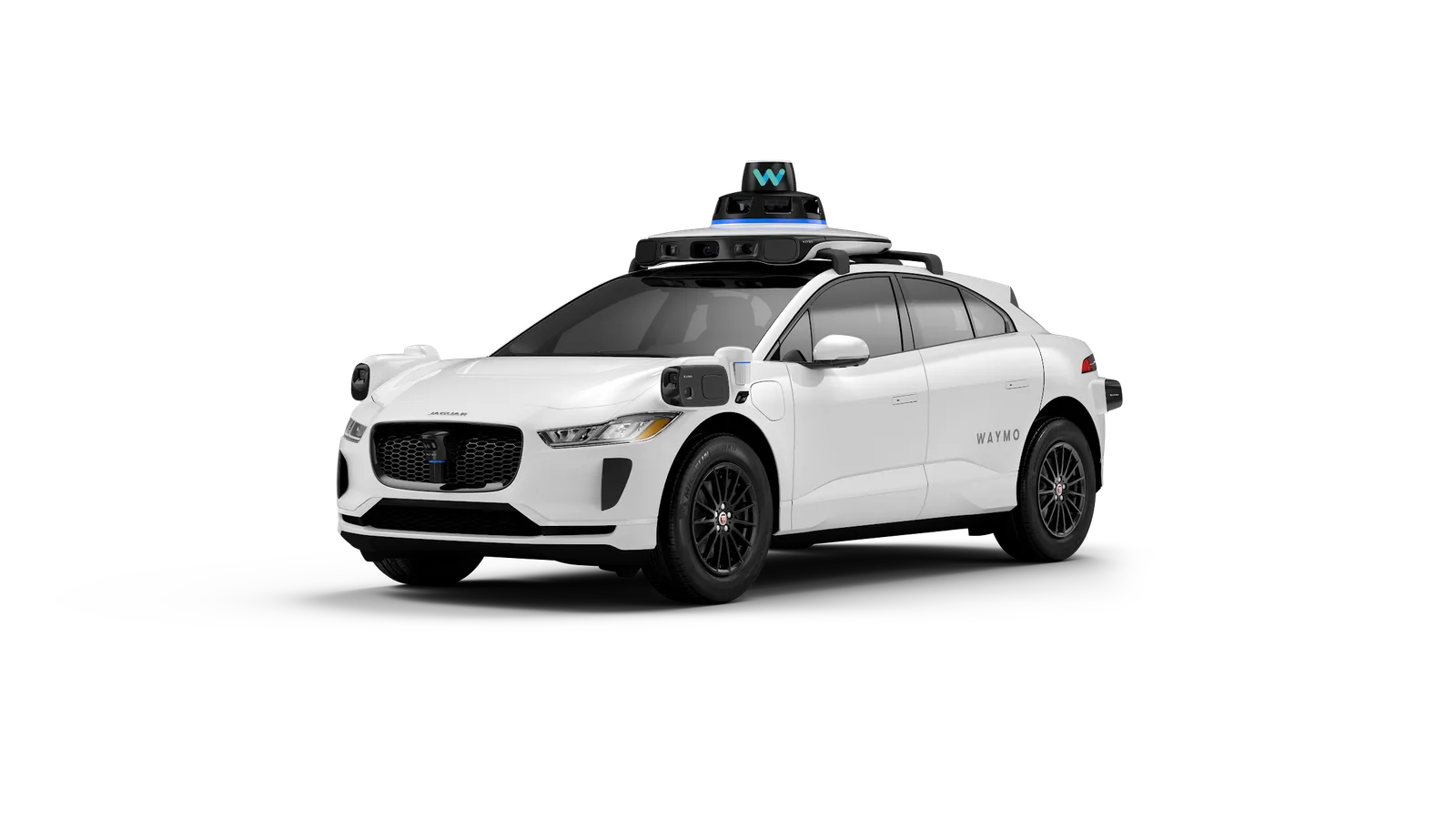
Waymo will launch a commercial robotaxi service in Singapore in 2028, the U.S. self-driving company said in a blog post dated September 17, making the city-state its first market in Southeast Asia. The service will run through the Waymo app in partnership with Singapore's Ministry of Transport and Land Transport Authority.
The rollout is deliberately slow. Waymo said an initial fleet of all-electric Jaguar I-PACE vehicles will arrive "in the coming months" to establish local operations. Throughout 2027 the company will run what it calls a readiness phase: trained autonomous specialists will manually drive the cars on Singapore's streets, adapting the Waymo Driver to local road geometry and monsoon weather patterns. Public rides are not planned until 2028. Waymo did not disclose how many vehicles the initial fleet will contain.
The announcement lands days after Waymo said it would begin commercial operations in Tokyo in 2027 with taxi app operator GO and taxi company Nihon Kotsu. At a launch event in Singapore on September 18, Transport Minister Jeffrey Siow said Waymo "brings world-class technology and operational expertise to Singapore, and will move us towards our vision of creating new transport options for Singaporeans." Waymo co-CEO Tekedra Mawakana said Singapore "has built one of the safest, most efficient, and most forward-thinking transportation ecosystems in the world."
The market is already crowded. Fortune reported that in September last year Chinese robotaxi firms WeRide and Pony AI announced separate partnerships with ride-hailing platform Grab and transport operator ComfortDelGro. Both are running autonomous shuttle services in the Punggol district, which the government has designated a test bed for physical AI technology. Waymo is entering a market where two well-funded rivals have a head start.
Why it matters: monsoon rain and dense urban streets are a harder environment than the conditions in Phoenix and San Francisco where Waymo built its record, which is why the company is budgeting a full year simply to adapt. Waymo says it has served more than 20 million fully autonomous rides, driven more than 300 million fully autonomous kilometres, and achieved a 94% reduction in injury-causing crashes compared with human drivers in the U.S. cities where it operates fully autonomously. Whether those numbers hold up in tropical conditions is the question Singapore will answer.
For drivers, near-term disruption looks limited. Siow told parliament in July that Singapore has more than 70,000 taxi and private-hire car drivers against roughly 20 autonomous vehicles on its roads, adding that "even if I gathered every AV in the world today and moved them all to Singapore, there would only be about 7,000 cars."
Still unknown: fleet size, pricing, the service area, and the regulatory approvals Waymo will need before 2028.
Sources
Related
VW Recalls 208,724 US SUVs Over Corroding Steering Bolt
BYD Recalls 183,211 Tang and Qin Cars Over Brake Pedal Defect
Nearly 100,000 Jeep Wagoneers Recalled Over Roof Rack Bolts
VW Mission Efficiency Sets 0.158 Cd World Record
Ford Recalls 223,472 F-150s Over Fuel Tanks That Can Detach
Toyota Recalls 8,521 C-HR EVs Over Sudden Power-Loss Risk
Lucid Recalls 27,185 Air Sedans Over Fire Risk
Waymo picks Munich for its first EU robotaxi service, launching 2027
Trending now
- 4 Subscribers Sue Anthropic, OpenAI, Google Over AI Slowdown
- Anthropic Targets November IPO at About $2 Trillion Value
- NASA Awards SpaceX $946M for Three More ISS Crew Flights
- Check Point Flaw Rated 9.8 Lets Attackers Run Code as Root
- Typhoon Dujuan Nears Tokyo at 965 hPa; JR East Halts Chiba Lines
- Claude Leads 26% of Anthropic's AI R&D, Up From 1% in March
- Sharks Feed on Beached Whale in Jamaica; NEPA Warns Swimmers
- Microsoft Discloses CVSS 10.0 Azure AI Foundry Flaw, Already Fixed
Comments
No comments yet. Be the first.