Space
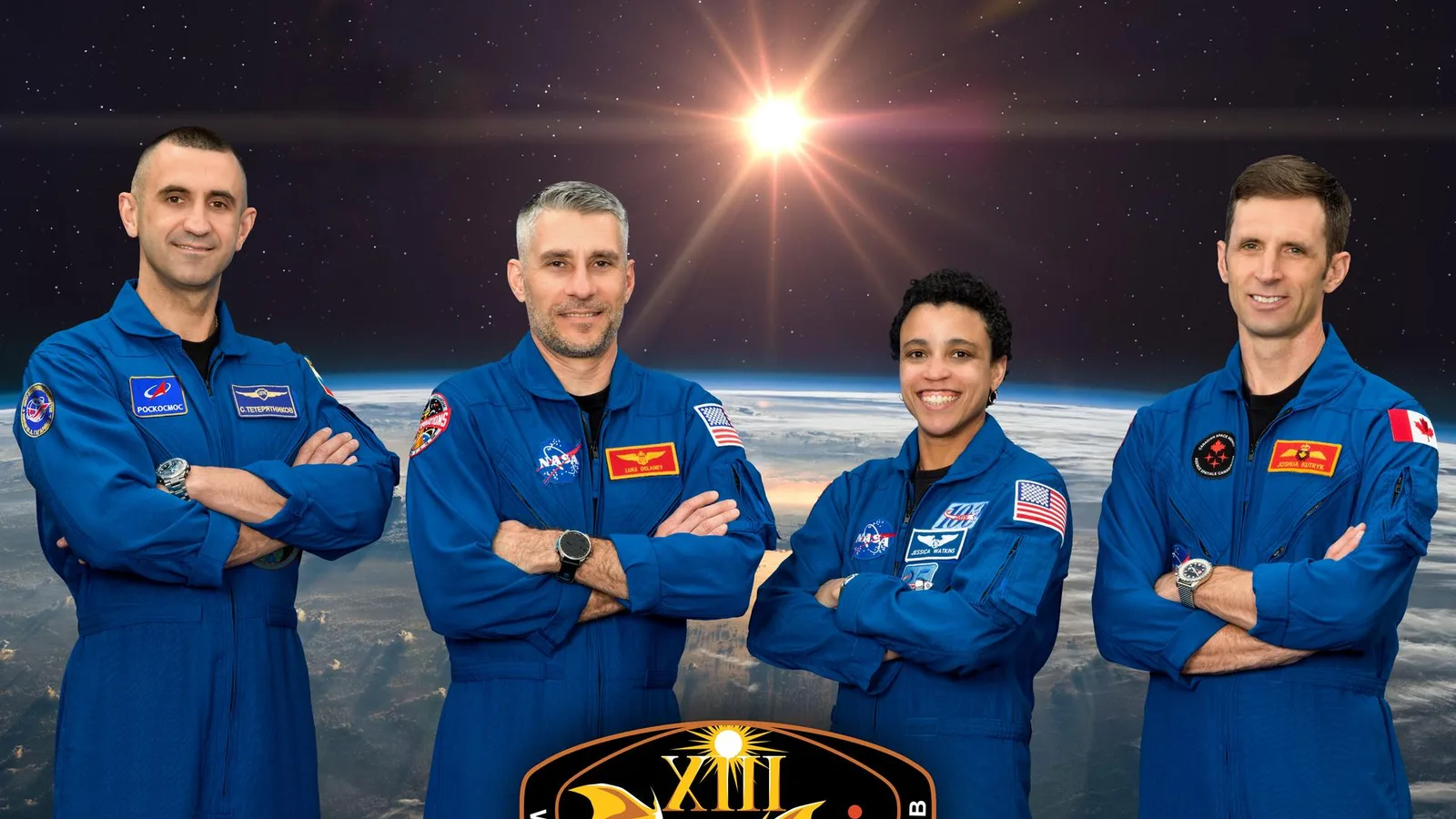
Crew-13 Targets 7-Hour, 50-Minute Trip to the ISS on Oct. 1
NASA plans a record-fast U.S. trip to the ISS for Crew-13 on October 1. Four astronauts will fly, with docking targeted 7 hours and 50 minutes later.
via NewUJ Editorial
0 0
NASA plans a record-fast U.S. trip to the ISS for Crew-13 on October 1. Four astronauts will fly, with docking targeted 7 hours and 50 minutes later.

Google says Project Suncatcher's first in-orbit test launches next week, flying Tensor Processing Units on SpaceX's Transporter-18 aboard a satellite built with Planet. Its Trillium chips already cleared a radiation dose bigger than a five-year mission.
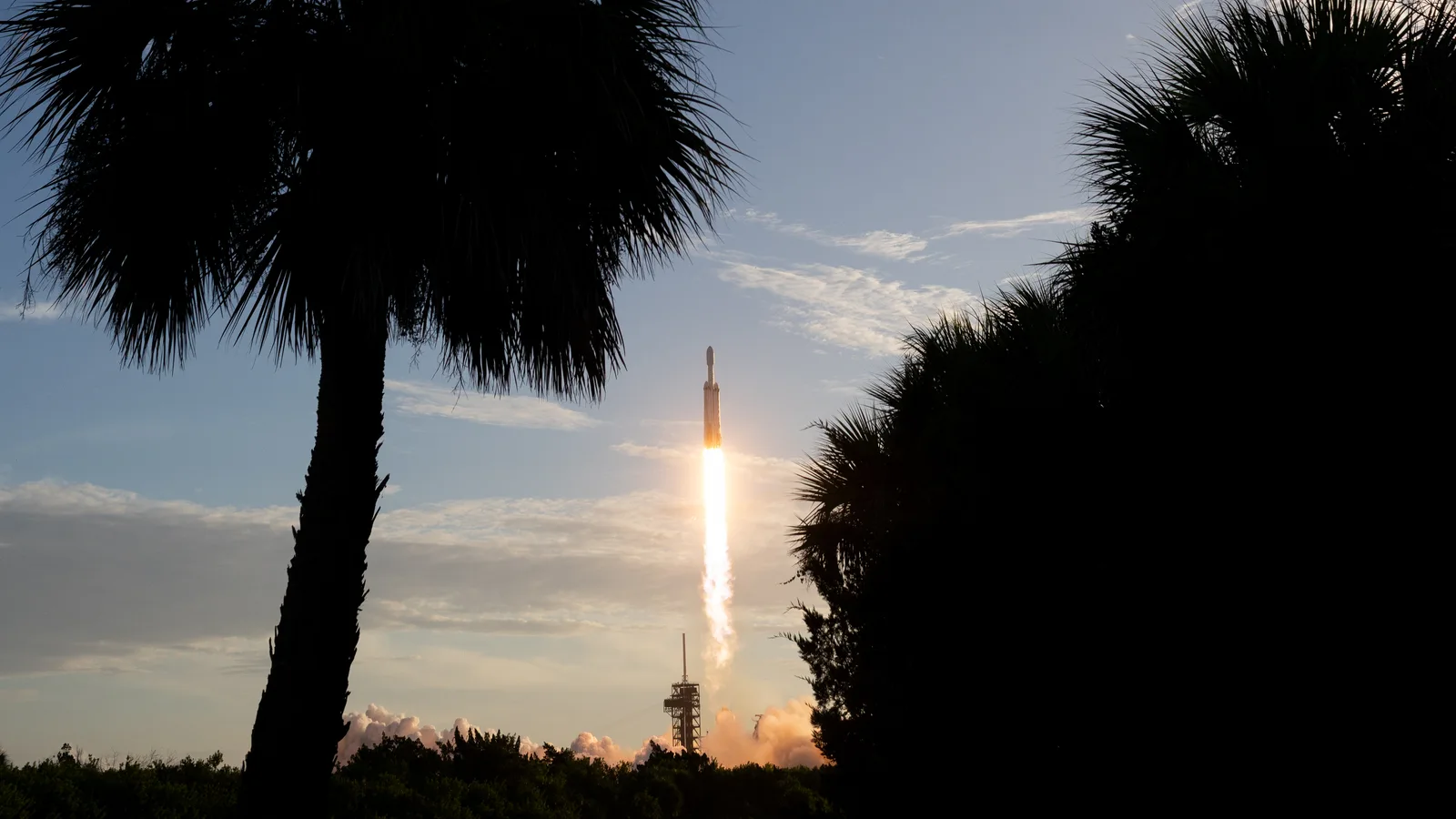
NASA says the Nancy Grace Roman Space Telescope has propellant for at least 22 years of potential science — more than double its 10-year design life — after an Aug. 31 burn used 18 kg of a 200 kg budget.
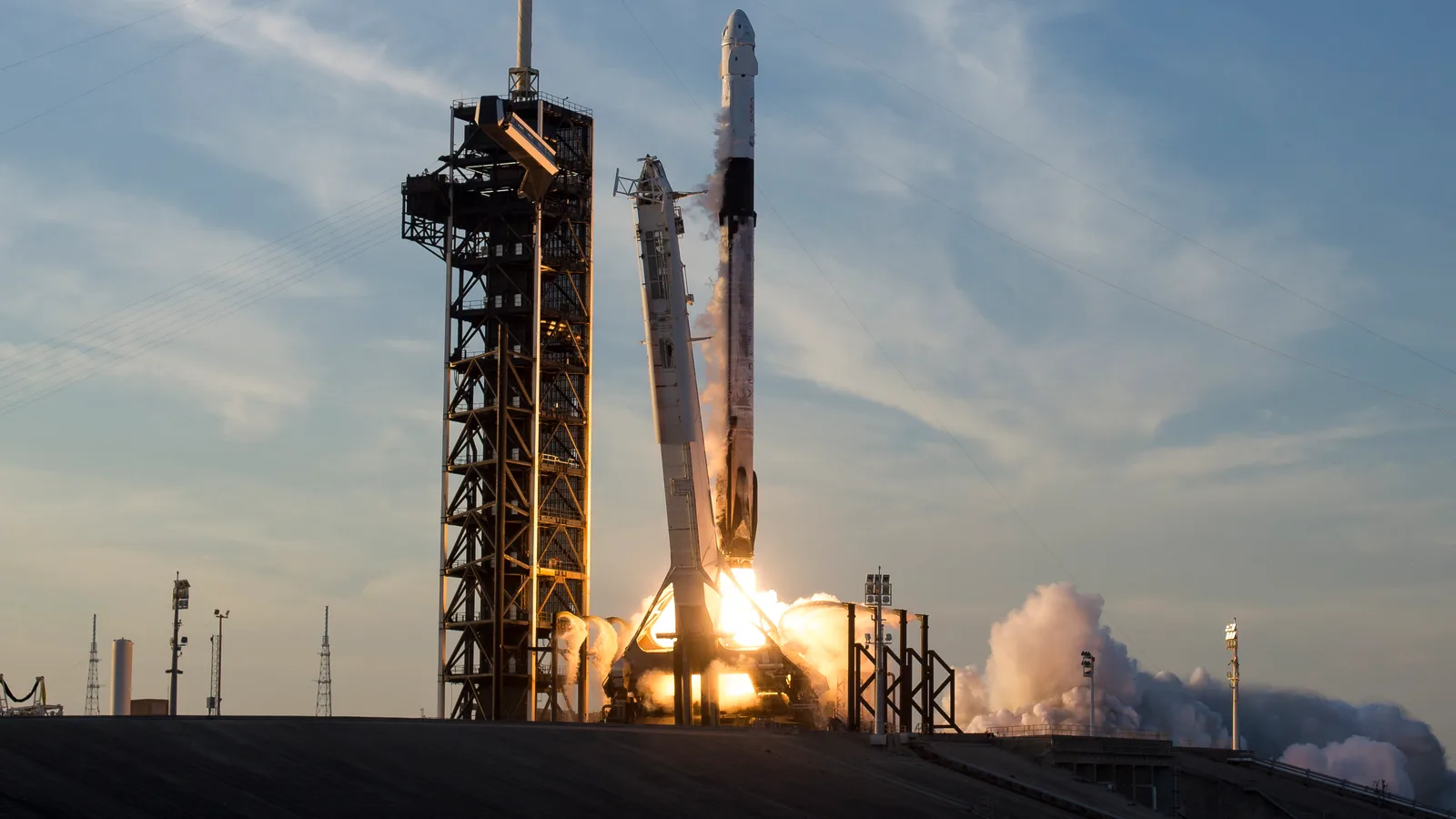
NASA said on September 18, 2026 that a $946 million contract modification buys three more SpaceX crew flights to the space station — Crew-15, Crew-16 and Crew-17 — taking the total to 17 missions and $5.92 billion through 2030.
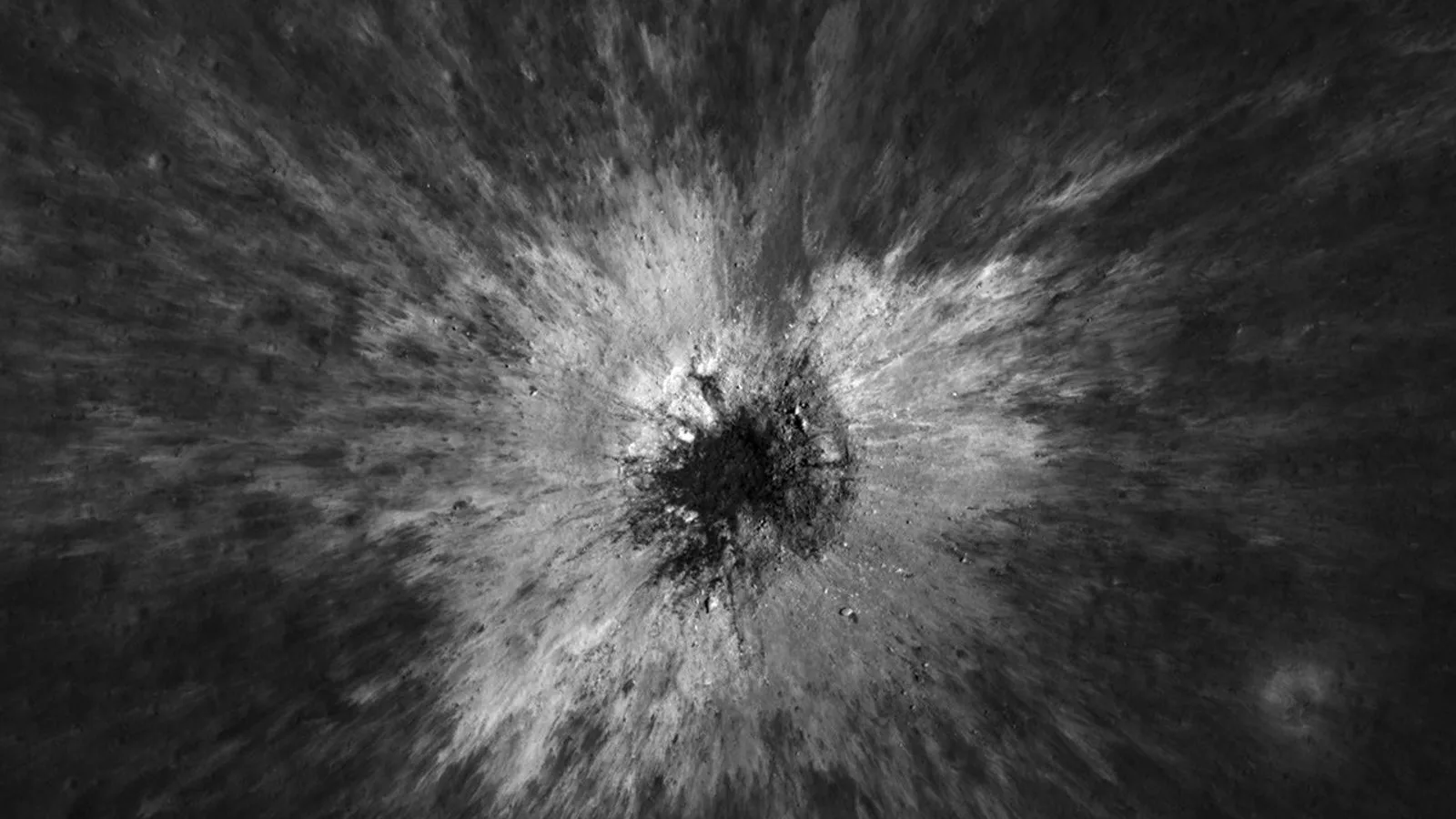
NASA has confirmed and named McGetchin crater, a 222-meter-wide scar that appeared on the Moon between April and May 2024 — the largest freshly formed impact crater ever verified in the solar system.
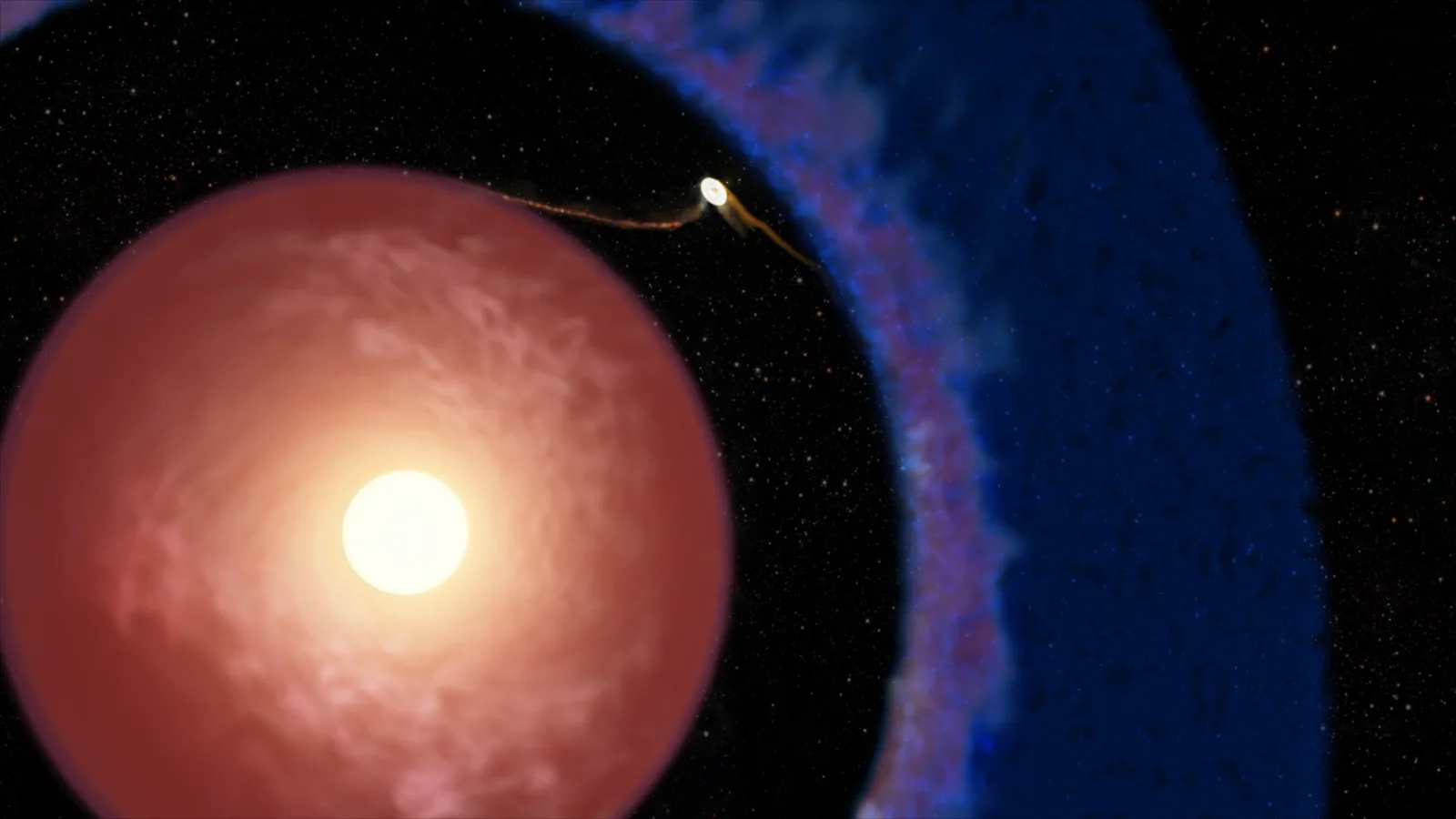
NASA has confirmed Elias 2-24 b, a Jupiter-mass world less than a million years old orbiting a star 450 light-years away. It is the youngest planet ever found, and current formation models cannot yet explain it.
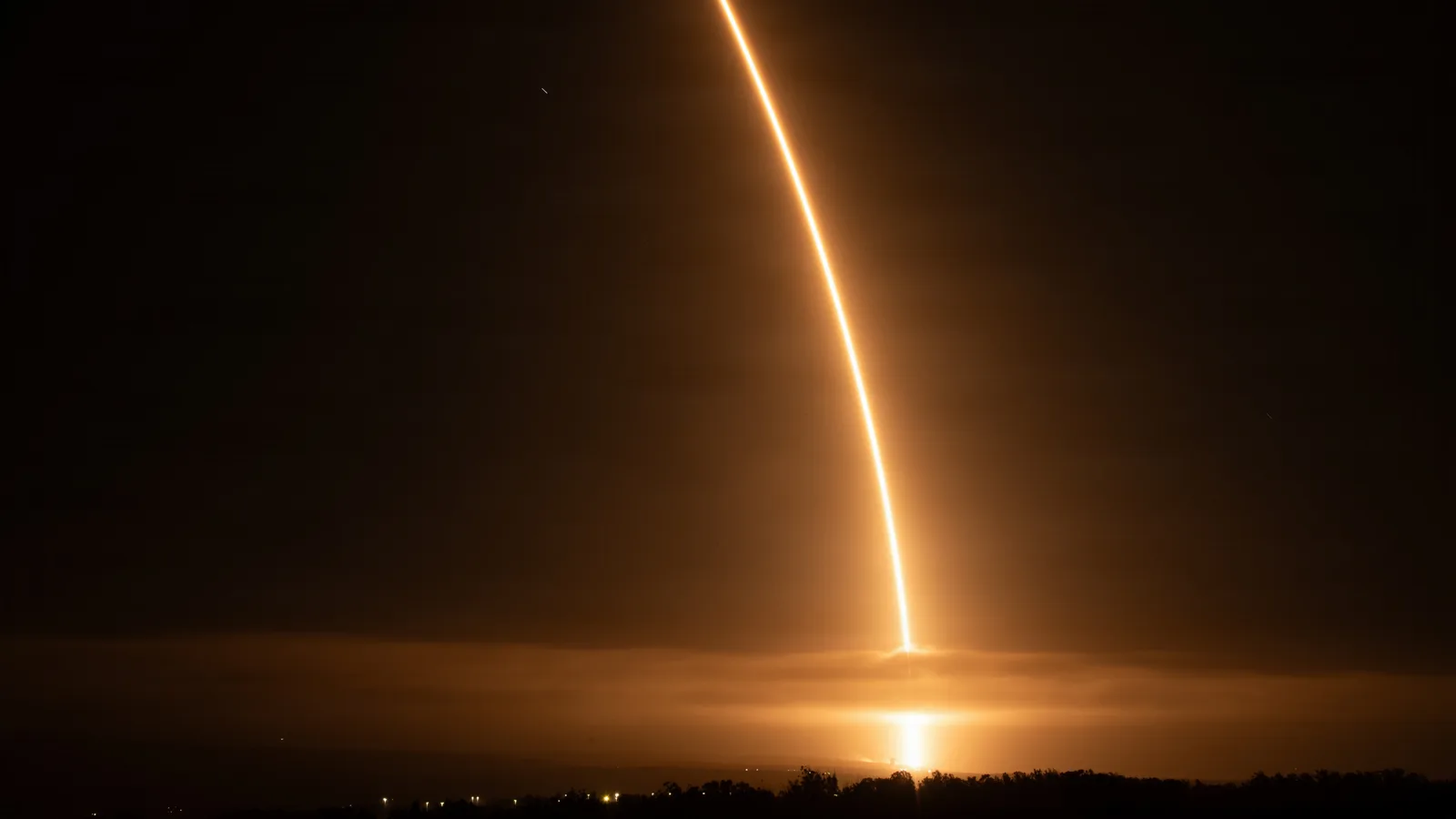
A Falcon 9 carried the classified USSF-259 mission from Vandenberg's SLC-4E on 16 September 2026 — the third classified Space Force flight from that pad in about a month, under an NSSL Phase 3 Lane 1 contract whose ceiling was raised to roughly $17 billion in July.
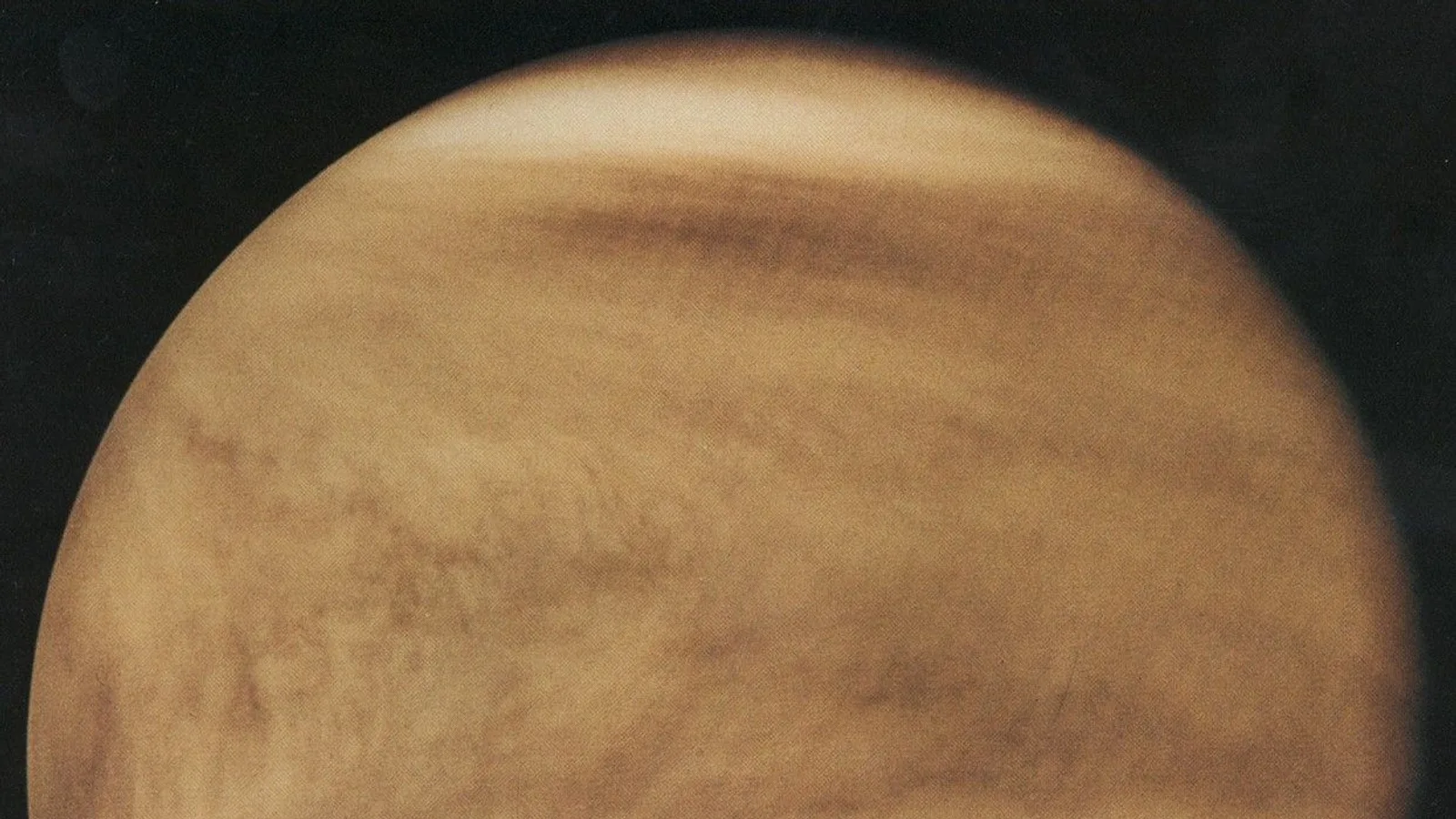
A paper published September 14, 2026 in The Astrophysical Journal finds that tidal forces would drag a Venusian moon inside the planet's Roche limit within 0.03 to 1.7 billion years — no catastrophic impact required.
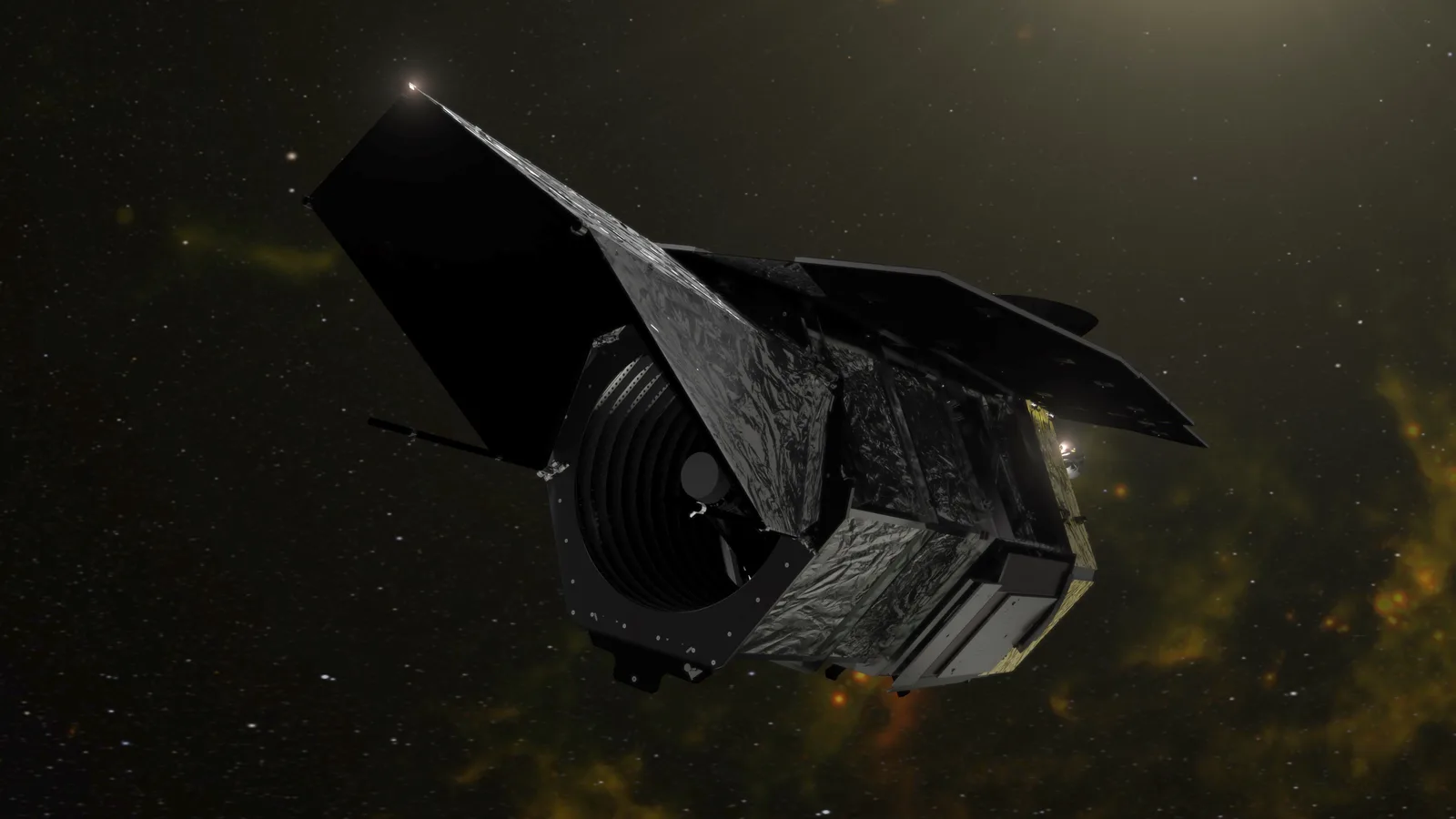
A first course-correction burn on August 31 used under 10% of its budgeted fuel, and NASA now says the Nancy Grace Roman Space Telescope has propellant for at least 22 years — more than double its 10-year design life.
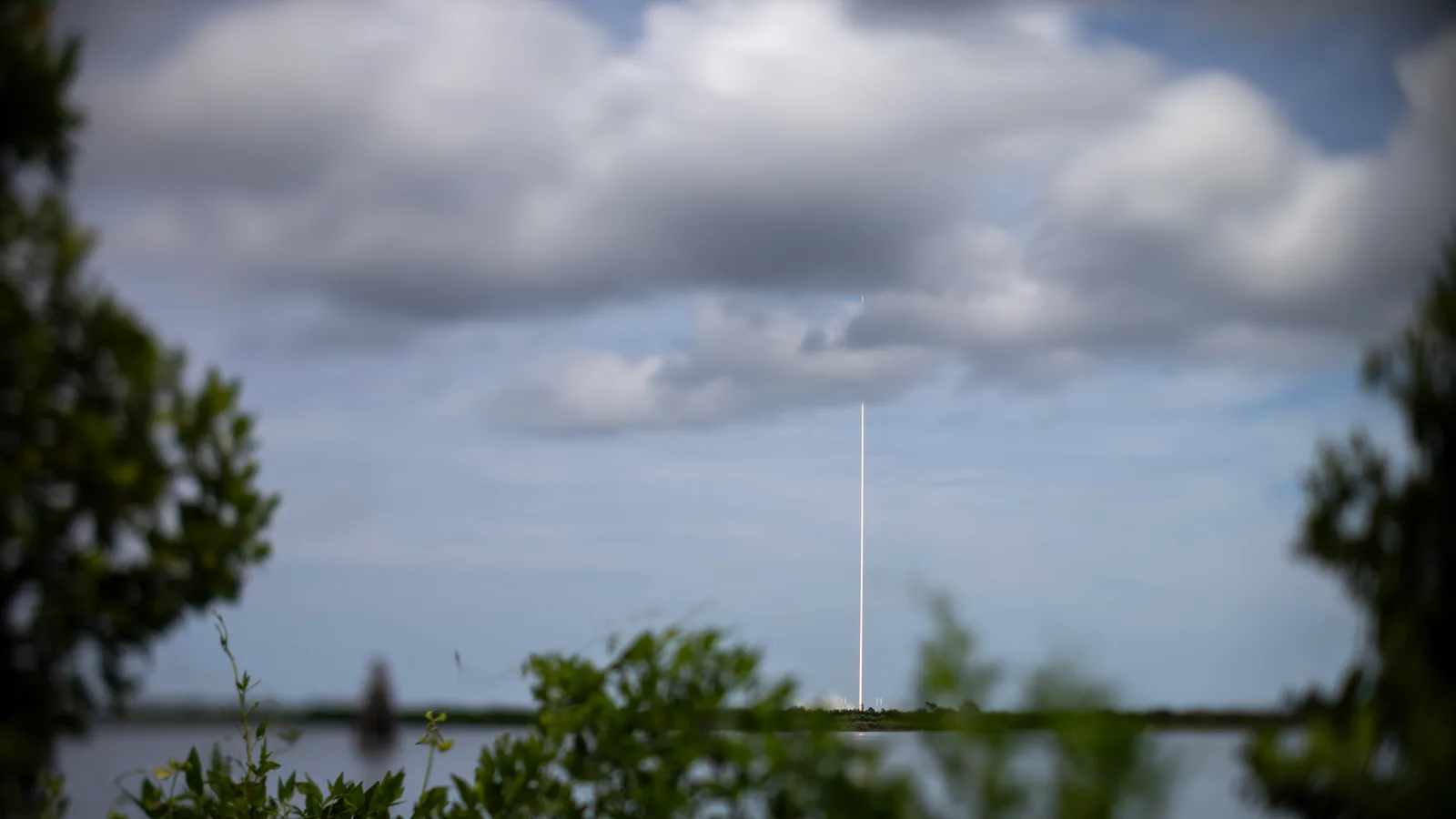
A Falcon 9 lifted off from Cape Canaveral on Sept. 13, 2026 with the last three O3b mPOWER satellites, a flight Spaceflight Now and Space.com reported as the 700th of SpaceX's Falcon family.
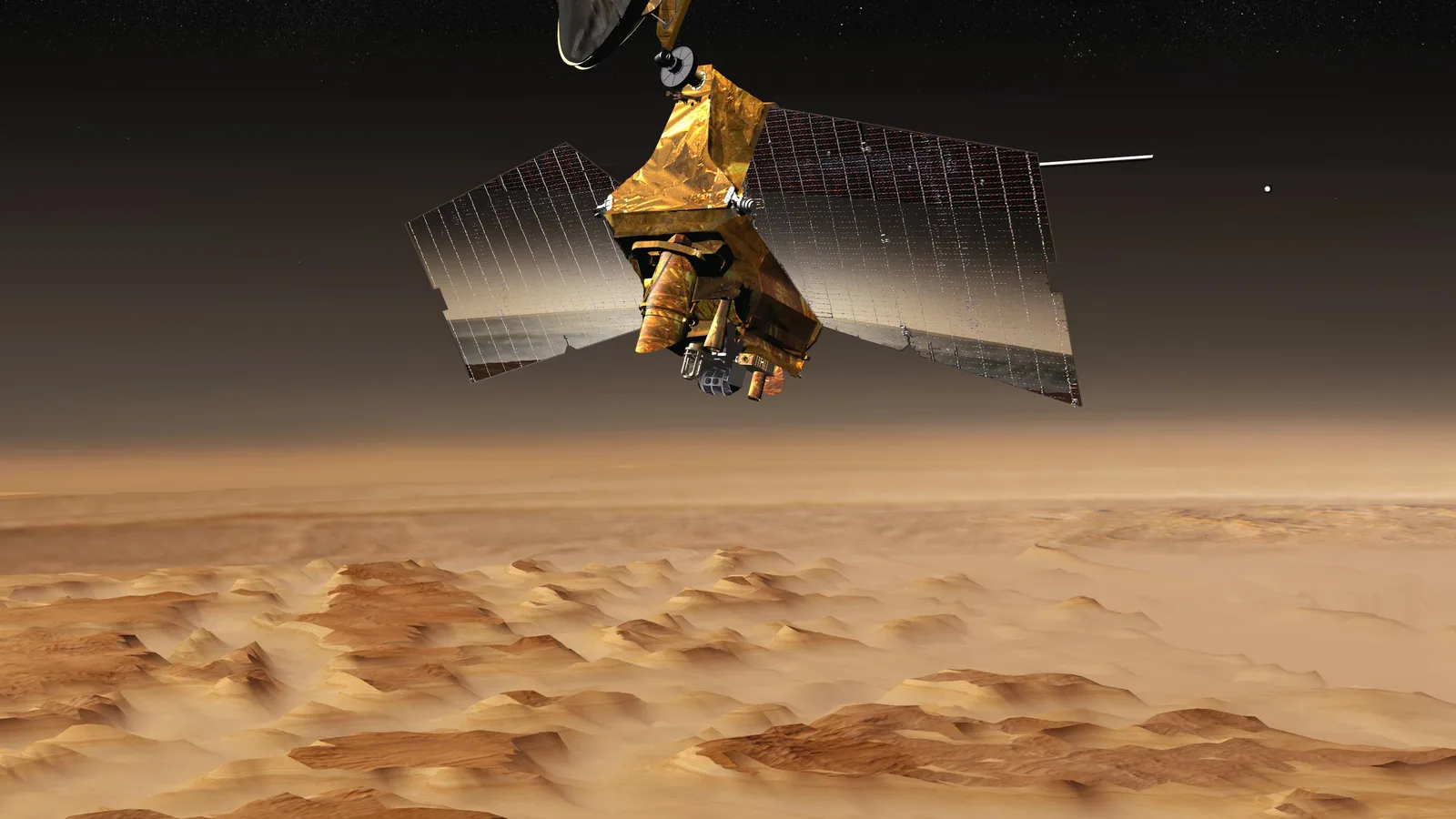
Rocket Lab said on September 11, 2026 that it filed a bid protest with the U.S. Government Accountability Office over NASA's decision to award the Mars Telecommunications Network to Blue Origin under a firm-fixed-price contract worth up to about $700 million.
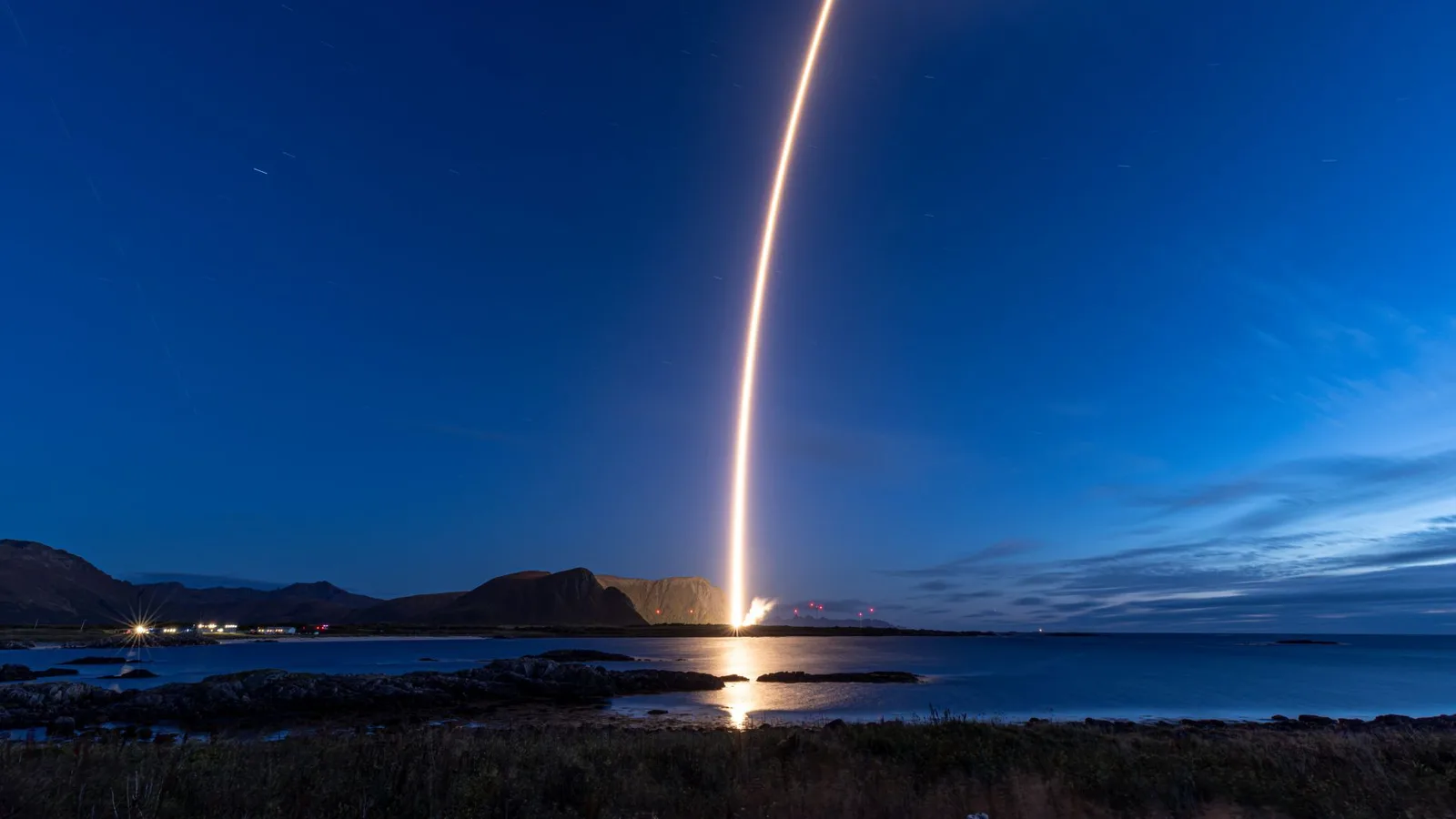
Isar Aerospace's Spectrum rocket reached orbit on Sept. 5, the first privately built rocket to do so from mainland Europe, ending a 30-second failure in 2025.
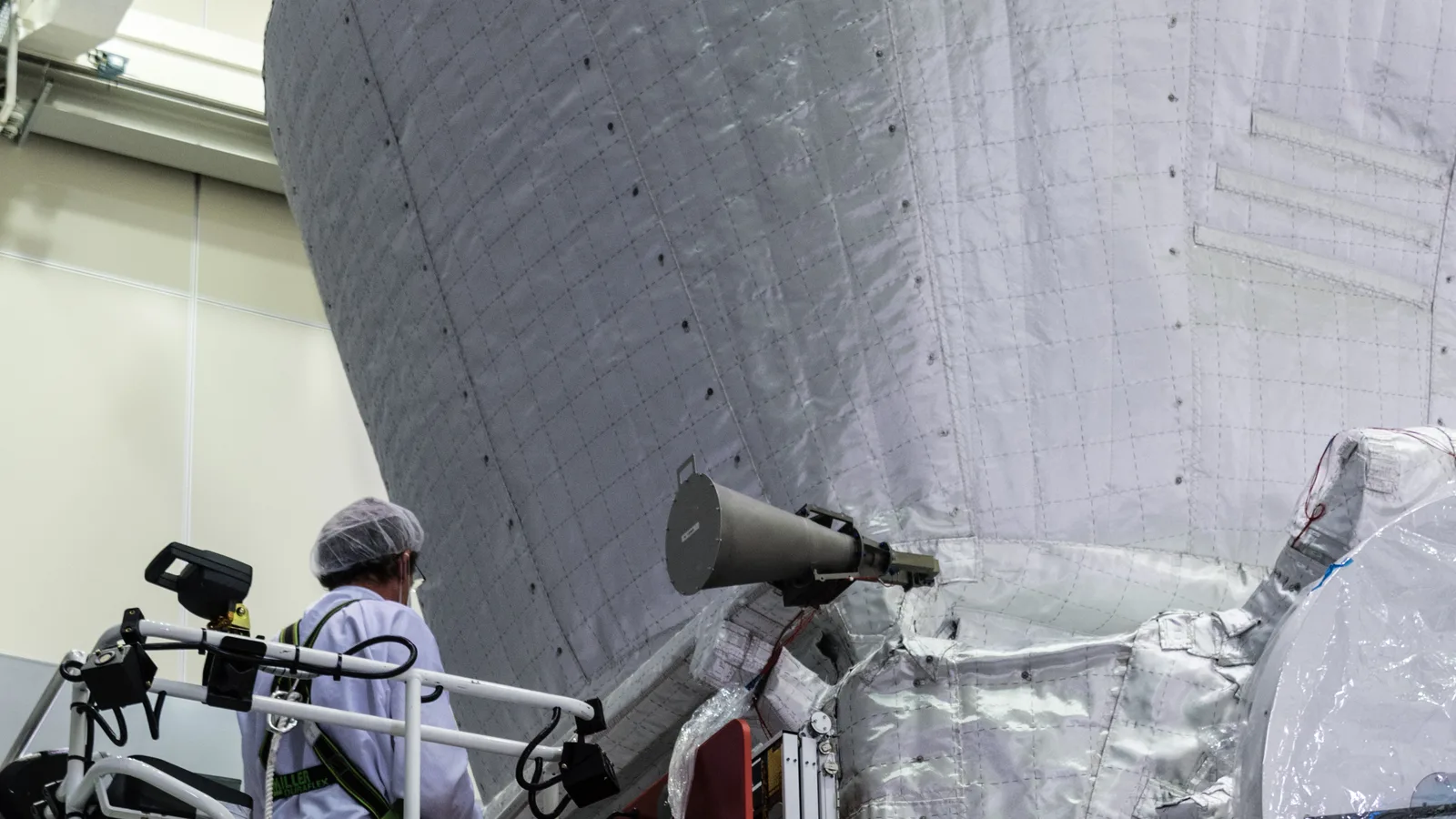
ESA and JAXA's BepiColombo spacecraft separated its transfer module from two science orbiters on September 3, kicking off an eight-month arrival sequence at Mercury after an eight-year, 10-billion-kilometer journey.

NASA awarded Blue Origin a $700 million contract to build a dedicated Mars communications orbiter, set to be operational by 2030.
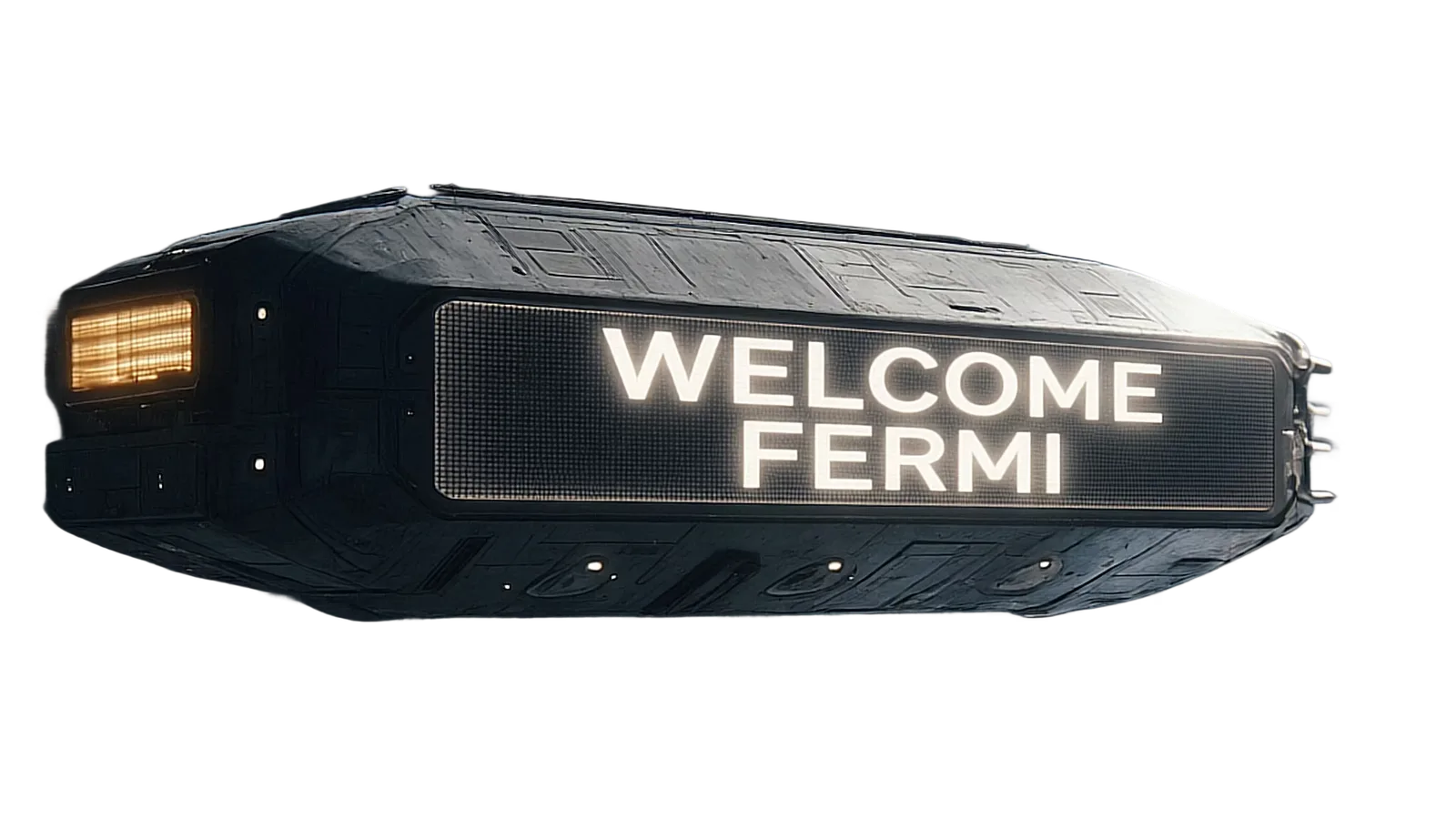
Fermi Explorer Mission plans to launch a probe toward Alpha Centauri by 2029, using an AI-designed trajectory from Physical Superintelligence to become humanity's first interstellar spacecraft.
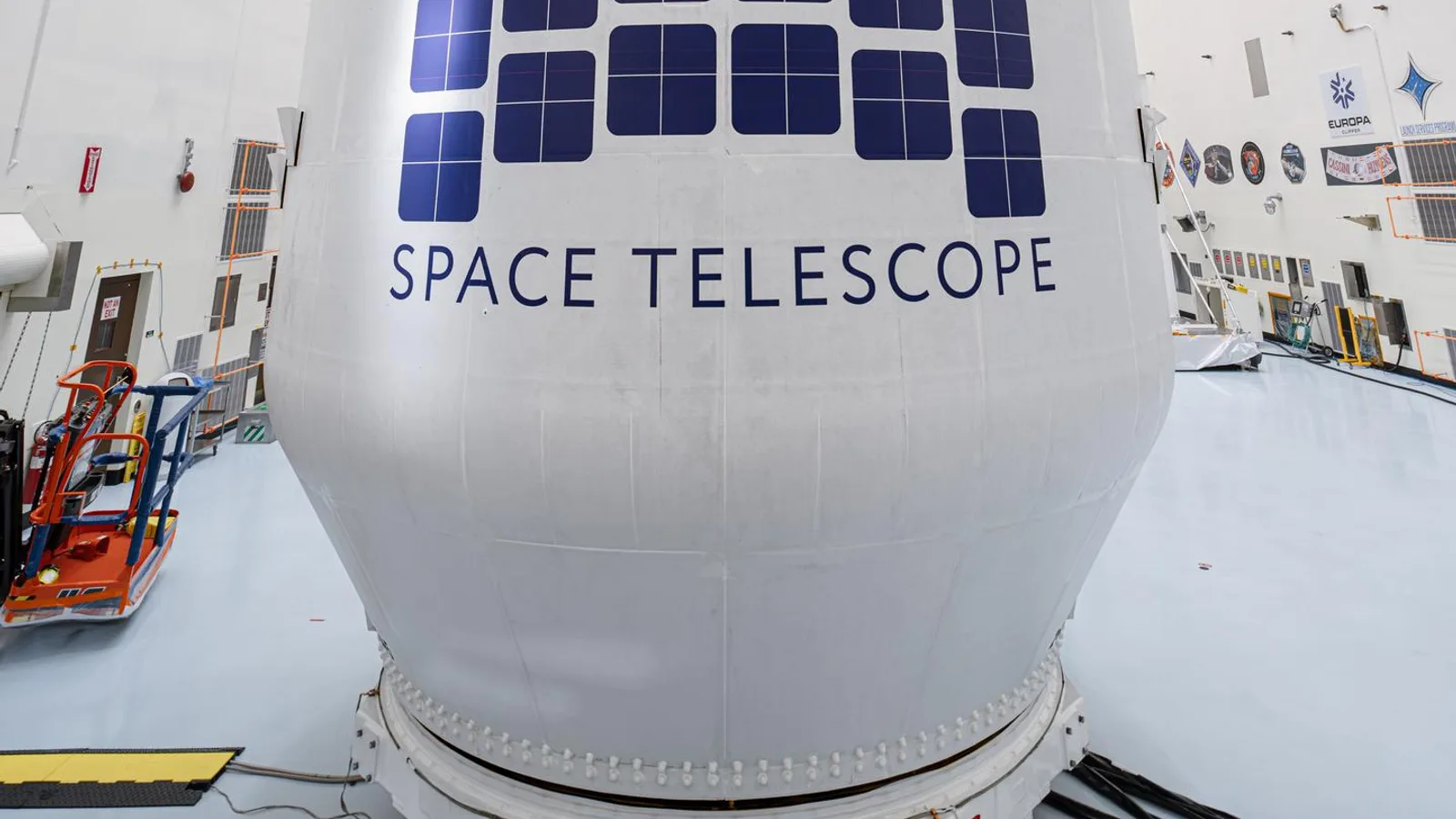
NASA's $4.3 billion Roman Space Telescope lifted off on a SpaceX Falcon Heavy Sunday, beginning a month-long cruise to map billions of galaxies.

A deep partial lunar eclipse covered about 93% of the Moon in Earth's shadow early Friday, turning it copper-red for skywatchers across the Americas, Europe and Africa.
SpaceX will build a second Starbase on 125,000 acres in southern Louisiana, targeting construction in 2027 and a first Starship launch in 2029, with 10 launch pads planned.
SpaceX reached its 100th Falcon 9 launch of 2026 on Tuesday, flying booster B1067 for a record 37th time — closing in on the Space Shuttle's 39-flight mark.
NASA's Roman Space Telescope is set to launch August 30 on a Falcon Heavy. Its microlensing survey is expected to find about 2,500 exoplanets other methods miss.