US-China Trade Truce Extended to Jan. 10 as Xi Visits
US Treasury Secretary Scott Bessent said on September 23 that Washington and Beijing have agreed to extend their bilateral trade truce, which was due to expire on November 10, through January 10. Speaking on Fox News, Bessent described the arrangement as "the 'Busan Agreement' — the economic détente between the two countries that was scheduled to end on Nov. 10 — that is going to be extended until Jan. 10." NBC News reported that the announcement followed an unscheduled meeting in Washington between Bessent and Chinese Vice Premier He Lifeng.
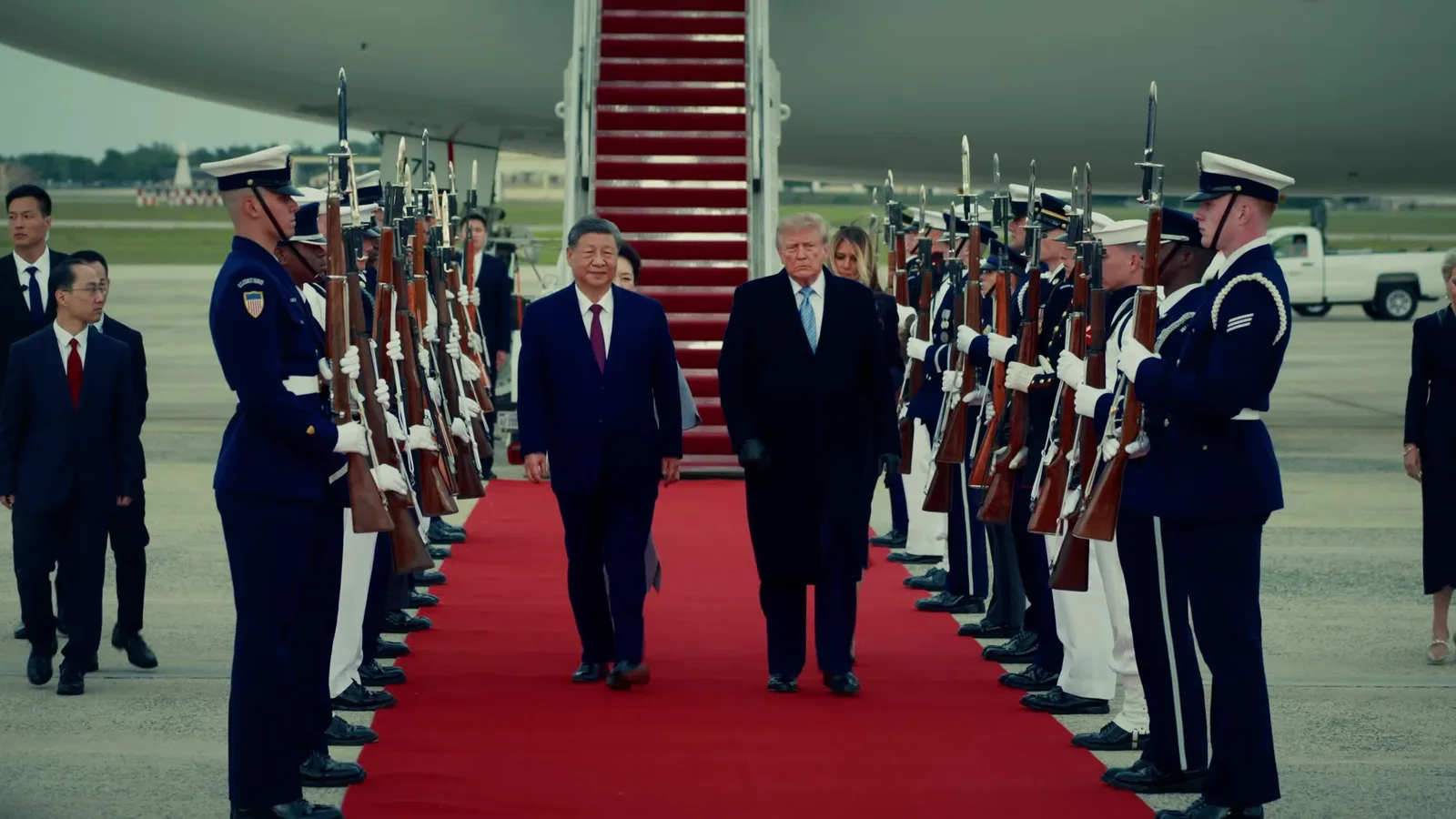
The timing was not incidental. The announcement came as Chinese President Xi Jinping landed in Washington for a multi-day state visit, and Bessent's remarks aired while President Donald Trump was greeting Xi at Joint Base Andrews. The Associated Press described the planeside welcome as a rare one: a 100-foot red carpet was unrolled at the foot of the aircraft steps, a 21-person honour guard lined it, and Trump and First Lady Melania Trump greeted Xi and his wife, Peng Liyuan, with handshakes.
According to the schedule the White House released on September 21, the Trumps were to host a State Arrival Ceremony on the morning of September 24 across the South Lawn, State Floor and Rose Garden, featuring 479 military personnel from all branches of the US armed forces. The White House statement noted that the visit comes more than a decade after Xi and Peng last came to the White House. The published programme included the US Marine Band playing both national anthems, remarks from both leaders, a military review in the Rose Garden, and a closing flyover by a B-2 Spirit and four F-22 Raptors.
The practical effect of the extension is that a tariff deadline two weeks before it would have landed has been pushed back. The truce, first agreed by Trump and Xi at a meeting in South Korea in October 2025, covers scaled-back tariffs and continued rare-earth flows. US Trade Representative Jamieson Greer told reporters the two sides could also agree lists of goods for lower tariffs — consumer goods and low-tech items from the Chinese side, and energy products, agricultural goods and potentially medical devices from the US side. Bessent and Greer said on September 20 that the two countries had proposed exchanging alerts about AI-related hacking incidents.
Two months is shorter than many had anticipated; CNBC reported that expectations before the summit ran to six months or longer. Bessent said it was possible a larger economic package would be agreed by January, or that the two sides could "just roll the current deal" — and added that "there are some deliverables that have not been perfect on the Chinese side." The AP lists trade, artificial intelligence and Taiwan among the flashpoints on the agenda; no outcome on Taiwan or on AI has been announced. Bessent noted the January date leaves room for further talks at an APEC meeting in China in November and the G20 in Florida in December.
Sources
- The White House — Office of the First LadyPrimary source
- NBC NewsSecondary
- CNBCSecondary
- Associated Press via PBS NewsHourAgency
Related
Oracle Invokes Force Majeure on 2.45GW Stargate Data Center
Diller Drops $18B MGM Bid; Stock Falls 9.5% to February Levels
4 Subscribers Sue Anthropic, OpenAI, Google Over AI Slowdown
$100M of TikTok's Privacy Deal in Doubt as Judge Keeps 2019 Order
OpenAI Sees $278B Cash Burn, $856B Compute Bill by 2030
Anthropic Targets November IPO at About $2 Trillion Value
Disney Names Character.AI CEO Anand as Its First-Ever CTO
FCC Clears Gulf Funds for Nearly 50% of Paramount Equity
Trending now
- Amoeba Breeds at 63°C, Past the 60°C Limit for Complex Life
- 996 Zyxel Switches Looted in 48 Countries; Patch Due Sept. 24
- Oracle Invokes Force Majeure on 2.45GW Stargate Data Center
- Diller Drops $18B MGM Bid; Stock Falls 9.5% to February Levels
- Taylor Swift Adds 4 Songs to ‘Showgirl’ in Sept. 25 Encore
- Attacks on WordPress RCE Flaw Rose Tenfold After Sept. 22 Fix
- Rivian Recalls 98,828 EVs Over Rearview Camera Fault
- Arista VeloCloud Zero-Day at CVSS 10.0; Patch Due Sept. 25
Comments
No comments yet. Be the first.