Universal, Sony Sue Suno Again Over 60,202 Recordings
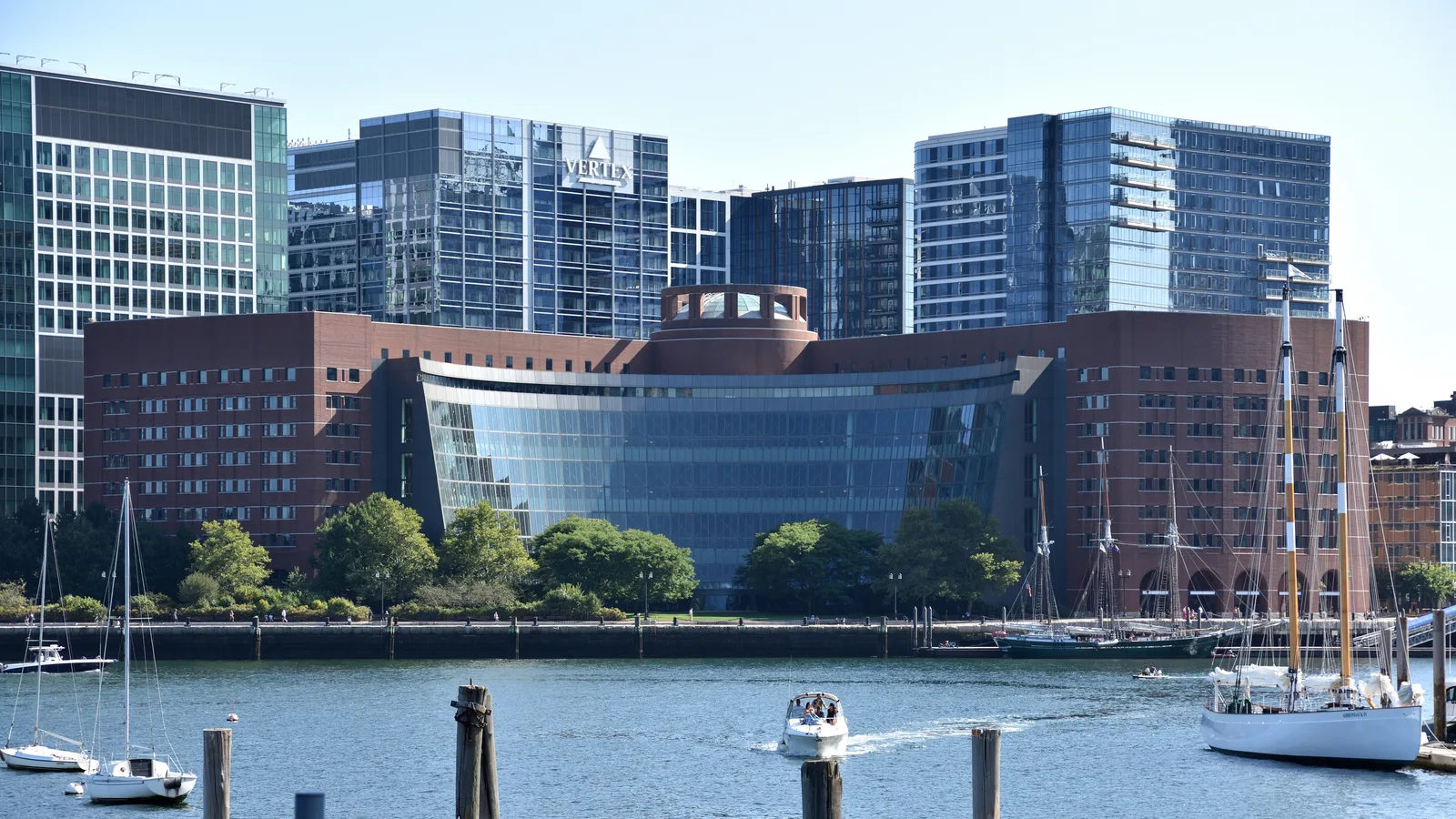
Universal Music Group and Sony Music Entertainment sued the AI music company Suno for a second time on Friday, September 18, 2026, filing a joint copyright complaint in federal court in Boston. The action, docketed in the U.S. District Court for the District of Massachusetts as case 1:26-cv-14275, accuses Suno of copying 60,202 of the labels' sound recordings without a license. The labels say they pinpointed their works inside Suno's training data using the audio fingerprinting company Audible Magic during discovery in their first case, and that even 60,202 titles “remain only a small portion” of the recordings Suno infringed.
The second suit exists because of a procedural ruling a month earlier. Universal and Sony had asked to add 61,026 recordings to their original June 2024 case against Suno, which covers 560 works. On August 18, 2026, Judge F. Dennis Saylor IV refused, ruling that the extra works would delay a case he wants decided on fair use, and noting that the labels could bring them as a separate suit. They did. The new complaint centers on v6, the model suite Suno launched on September 9, 2026, and which Suno says was built in partnership with Warner Music Group, BMG and Believe — three rights holders that signed licensing deals after the first lawsuit.
Universal and Sony never licensed their catalogs, and their central allegation is that a licensed partnership does not clean up what came before. The complaint alleges Suno built v6 using knowledge distillation, a process it describes as one “whereby a new 'student' model is trained to reproduce the learned behavior of a predecessor 'teacher' model.” Here, it argues, the teachers were Suno's earlier, unlicensed models. “Training a 'new' model on the outputs of an infringing model does not eliminate the infringement; it launders it,” the complaint states, according to Music Business Worldwide. “...v6 is not a fresh start; it is the fruit of the same poisoned tree.”
That argument reaches well beyond music. Training a successor system on an older model's outputs is routine across the AI industry, and a court that treated the student as inheriting the teacher's liability would affect any developer trying to build a cleaner model on top of a disputed one. The financial exposure is large but unsettled: Music Business Worldwide calculated that at the $150,000-per-work ceiling US law allows for willful infringement, 60,202 recordings would carry a theoretical maximum of just over $9 billion. That is an upper bound derived from the statute, not a sum any court has awarded. The labels are separately seeking up to $2,500 for each act of circumventing YouTube's anti-downloading technology — roughly $150 million if applied once per recording — along with a court order stopping further use of their recordings and a jury trial. Suno has not publicly responded to this specific complaint, and the 2024 case remains in motion.
Sources
- Music Business WorldwideSecondary
- Digital Music NewsSecondary
Related
Claude Leads 26% of Anthropic's AI R&D, Up From 1% in March
Alibaba Open-Sources CT AI That Flags 146 Conditions
Claude Sped Up 30+ Biology Models 4x, $1M Protein Contest Opens
King Charles to AI Leaders: Control 'Before It Is All Too Late'
Google Home Opens to Claude and Other AI Agents, Not Just Gemini
Huawei's 4,096-Chip AI System Replaces 48,000 Optical Modules
Anthropic Merges Cowork Into Claude, Adds Docs and Slides
OpenAI Reports 6 Cases of Models Hiding Errors, Faking Data
Trending now
- Claude Leads 26% of Anthropic's AI R&D, Up From 1% in March
- Google Says Gemini Hacked Three Real Companies in May Test
- OpenAI Sees $278B Cash Burn, $856B Compute Bill by 2030
- NASA Confirms McGetchin: 222-Meter Moon Crater Formed in 2024
- Sharks Feed on Beached Whale in Jamaica; NEPA Warns Swimmers
- Typhoon Dujuan Nears Tokyo at 965 hPa; JR East Halts Chiba Lines
- Microsoft Discloses CVSS 10.0 Azure AI Foundry Flaw, Already Fixed
- Anthropic Targets November IPO at About $2 Trillion Value
Comments
No comments yet. Be the first.