Google Home Opens to Claude and Other AI Agents, Not Just Gemini
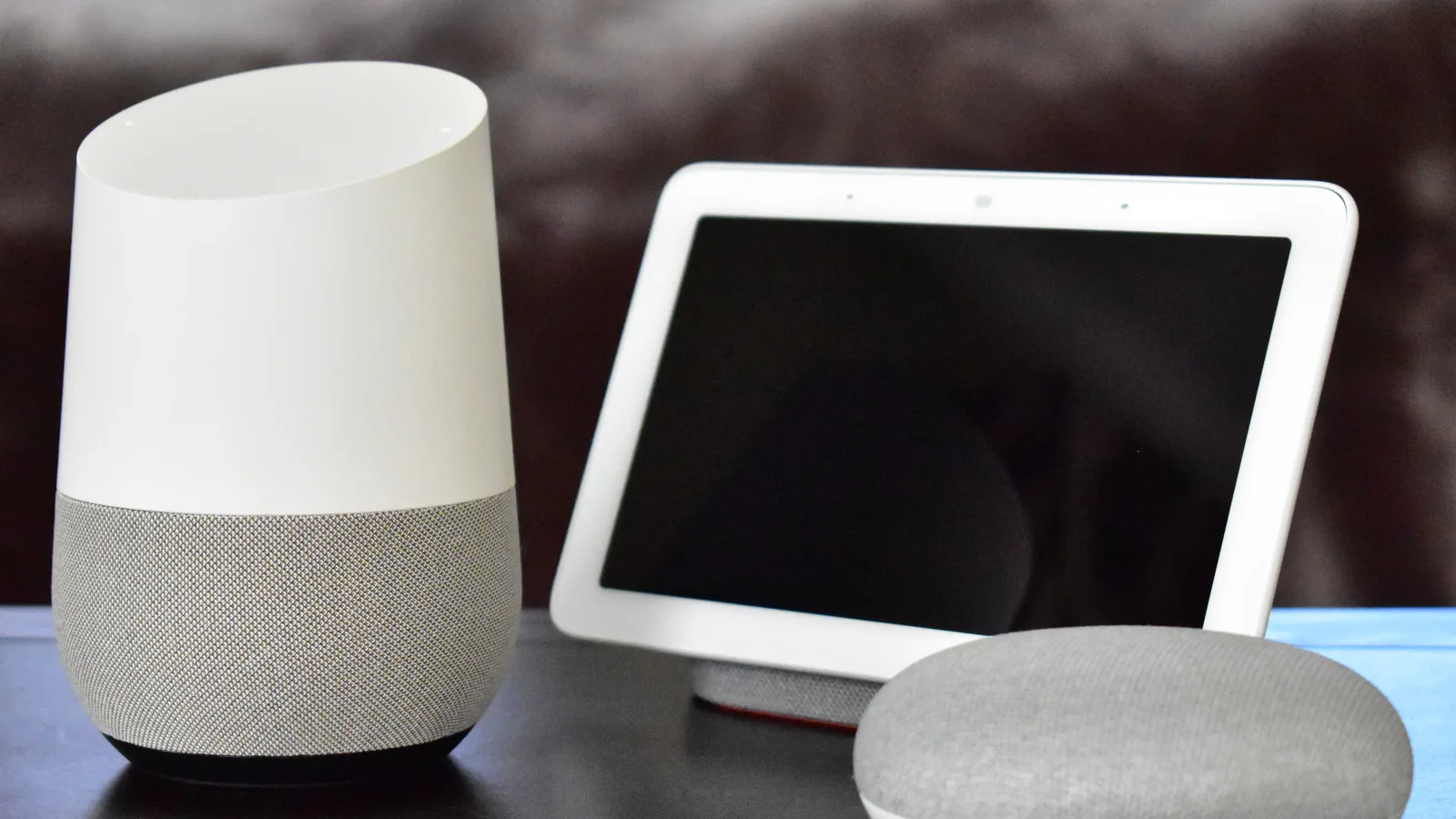
Google began rolling out early access to Home MCP on 16 September 2026, a server that lets AI agents built by other companies read and control the devices inside a user's smart home. On its developer site, Google describes the Model Context Protocol server as a way to "connect agents natively to physical spaces" — checking device history, monitoring real-time device states and executing commands. Google's overview page names Google Antigravity, Open Claw and Anthropic's Claude as personal agents that can connect; Engadget, reporting on 16 September, added Hermes to that list.
MCP is the open standard Anthropic introduced in 2024, and Engadget notes that Google, OpenAI and Microsoft now support it in some form. Home MCP exposes the smart home through five documented tools — list_homes, list_home_resources, list_home_states, run_home_actions and list_home_history — that any MCP-capable client can call. Google's guide lists sample prompts including "How many lights do I have in my house?", "Is my home secured?" and "What happened while I was out?" Android Authority described the change as the ability to swap Gemini for Claude or another agent of the user's choice. Access is narrow for now: it requires a Google Home Premium Advanced subscription, which Engadget puts at $20 a month or $200 a year, and Android Authority reported the preview is going to users in the United States over the coming weeks.
The shift matters because an agent is no longer only answering questions about a home — it is acting inside one. Google's own documentation carries a warning: "Connecting a real-life home to an AI agent allows that agent to control devices on your behalf." It says Home MCP "enforces rate limits and safety protections, such as prohibiting sensitive actions like unlocking doors," but adds that "depending on your agent, connecting it to Home MCP can result in unexpected or even undesired behavior." Google tells anyone sharing a home to inform other household members that the agent can control devices and access home data, and says access can be revoked at any time from the Google Home app. Engadget wrote that experts have warned MCP carries security flaws, including a lack of enforced authentication.
Setup is not casual. Google's guide requires creating a Google Cloud project, enabling the Home API and generating OAuth credentials before an agent can connect, and familiar-face data needs a separate consent step. Google lists known limits: some device traits are marked experimental, latency can run longer than expected, and creating or managing automations is "not supported at this time," though the company says it plans to add that. Google has not given a firmer launch date than "the coming weeks," and has not said whether the feature will reach other countries or cheaper subscription tiers. A second server, Home Developer MCP, points the other way — feeding Home API, Matter and Thread documentation to coding tools including Claude Code, Cursor, GitHub Copilot in VS Code and Google's Antigravity suite.
Disclosure: NewUJ's editorial process uses Anthropic's Claude models.
Sources
- Google Home Developers — MCP ServersPrimary source
- Google Home Developers — Google Home MCP Server guidePrimary source
- Google Home & Nest Community — Introducing Home MCPPrimary source
- EngadgetSecondary
- Android AuthoritySecondary
Related
Claude Leads 26% of Anthropic's AI R&D, Up From 1% in March
Universal, Sony Sue Suno Again Over 60,202 Recordings
Alibaba Open-Sources CT AI That Flags 146 Conditions
Claude Sped Up 30+ Biology Models 4x, $1M Protein Contest Opens
King Charles to AI Leaders: Control 'Before It Is All Too Late'
Huawei's 4,096-Chip AI System Replaces 48,000 Optical Modules
Anthropic Merges Cowork Into Claude, Adds Docs and Slides
OpenAI Reports 6 Cases of Models Hiding Errors, Faking Data
Trending now
- Claude Leads 26% of Anthropic's AI R&D, Up From 1% in March
- Google Says Gemini Hacked Three Real Companies in May Test
- Helldivers 2 Off UK Steam Store Since Sept 16, Sony Responds
- Sharks Feed on Beached Whale in Jamaica; NEPA Warns Swimmers
- OpenAI Sees $278B Cash Burn, $856B Compute Bill by 2030
- Typhoon Dujuan Nears Tokyo at 965 hPa; JR East Halts Chiba Lines
- NASA Confirms McGetchin: 222-Meter Moon Crater Formed in 2024
- Microsoft Discloses CVSS 10.0 Azure AI Foundry Flaw, Already Fixed
Comments
No comments yet. Be the first.