BYD Recalls 183,211 Tang and Qin Cars Over Brake Pedal Defect
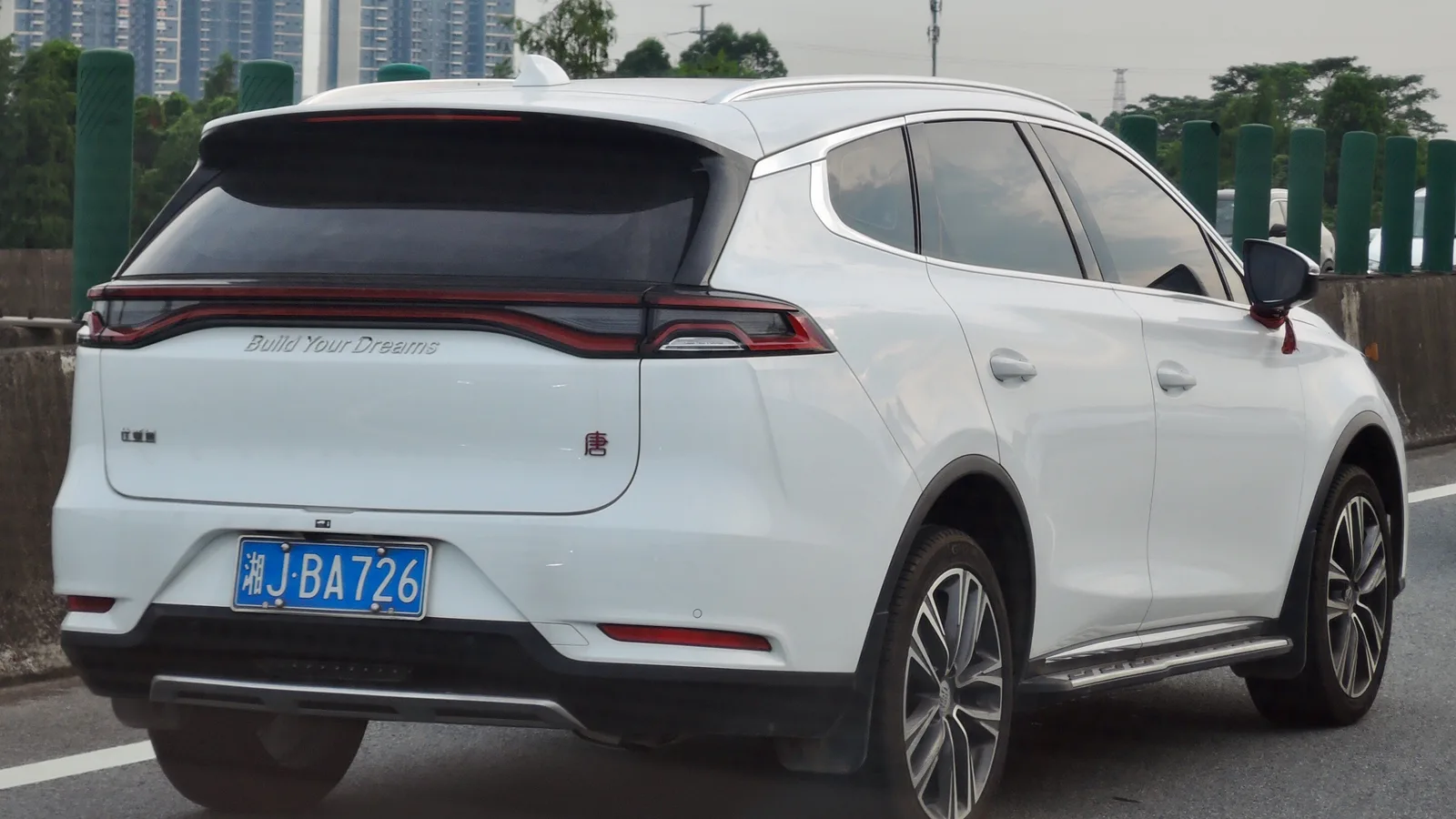
China's State Administration for Market Regulation (SAMR) published a recall filing on September 18, 2026 covering 183,211 BYD vehicles — all of them older Tang- and Qin-series cars built between 2014 and 2022.
The filing breaks the recall into four groups. It covers 58,026 Tang units produced from March 28, 2015 to December 21, 2018; 77,846 all-new-generation Tang DM units from May 19, 2018 to January 14, 2022; 7,023 all-new-generation Tang EV units from December 27, 2018 to October 25, 2021; and 40,316 Qin units from June 27, 2014 to June 9, 2019.
The component at fault is a small one: the brake pedal stopper pad. According to SAMR's notice, a batch-level abnormality in the pad's material means it can crack and break down after long periods of use. In extreme cases the pad can detach entirely — and when it does, the brake lights can stay illuminated even though the driver is not pressing the pedal.
That timeline explains why the recall reaches so far back. A pad that only degrades "after prolonged use" does not fail on a new car; it fails years into a vehicle's life, which is why the oldest Qin units covered here rolled off the line in mid-2014 and the newest Tang DM units in early 2022 — an eight-year production span in a single filing.
Why it matters comes down to what a brake light is for. It is a signal to the driver behind you, and it only carries information when it is off most of the time. A car whose brake lights are permanently lit tells following traffic nothing, and SAMR's notice frames the risk in exactly those terms: the fault can send incorrect signals to vehicles behind, creating a safety hazard.
The remedy is free. BYD will have authorised dealers replace the affected stopper pad with an improved part at no cost to owners, and SAMR says the repair programme runs from the date of the announcement. Vehicles whose stopper pad has already been replaced need no further work.
Several things remain undisclosed. Neither SAMR's filing nor the coverage of it explains how the defect was identified or how many owners reported the symptom, and no accidents or injuries have been tied to the fault in the documents published so far. Owners of affected Tang and Qin models can confirm whether their car is included by checking its vehicle identification number with an authorised BYD dealer, which is also where the replacement part is fitted.
Sources
- State Administration for Market Regulation (SAMR)Primary source
- CnEVPostSecondary
- AsiaOneSecondary
- ChinaEVHomeSecondary
Related
Waymo Picks Singapore for 2028 Robotaxi Launch, First in SE Asia
VW Recalls 208,724 US SUVs Over Corroding Steering Bolt
Nearly 100,000 Jeep Wagoneers Recalled Over Roof Rack Bolts
VW Mission Efficiency Sets 0.158 Cd World Record
Ford Recalls 223,472 F-150s Over Fuel Tanks That Can Detach
Toyota Recalls 8,521 C-HR EVs Over Sudden Power-Loss Risk
Lucid Recalls 27,185 Air Sedans Over Fire Risk
Waymo picks Munich for its first EU robotaxi service, launching 2027
Trending now
- Typhoon Dujuan Nears Tokyo at 965 hPa; JR East Halts Chiba Lines
- Claude Leads 26% of Anthropic's AI R&D, Up From 1% in March
- Sharks Feed on Beached Whale in Jamaica; NEPA Warns Swimmers
- Plugin4Shell: 4 AI Coding Agents Hit, 2 Still Unpatched
- 4 Subscribers Sue Anthropic, OpenAI, Google Over AI Slowdown
- Waymo Picks Singapore for 2028 Robotaxi Launch, First in SE Asia
- Google Says Gemini Hacked Three Real Companies in May Test
- Ford Recalls 223,472 F-150s Over Fuel Tanks That Can Detach
Comments
No comments yet. Be the first.