Hyundai, Kia, Genesis EV Owners Sue Over Twice-Recalled ICCU
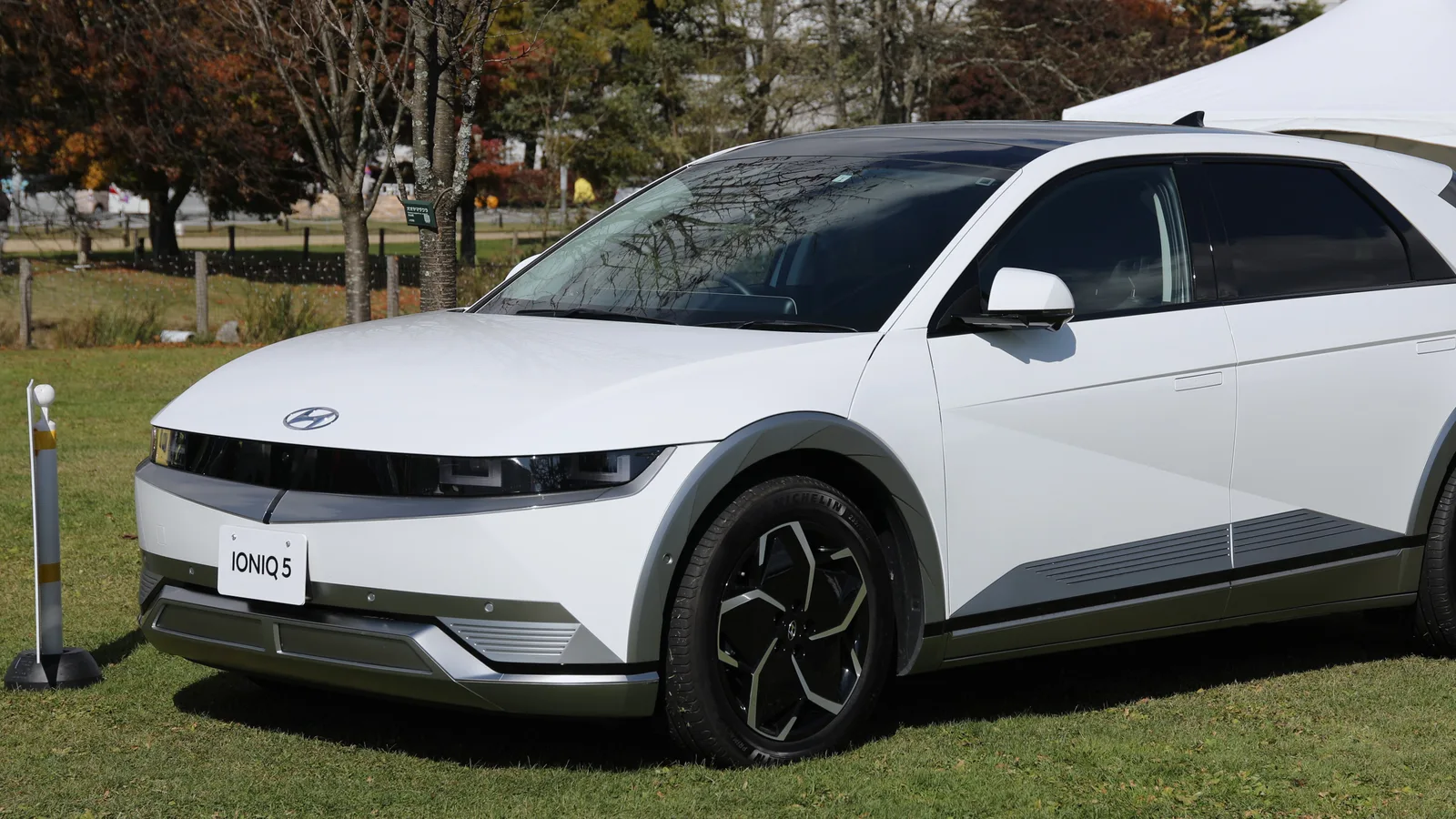
Owners of Hyundai, Kia and Genesis electric vehicles filed a class-action complaint on Sept. 23, 2026 in the U.S. District Court for the Western District of Washington, alleging that a charging component the automakers have already recalled twice still shuts their cars down. The suit, brought by the law firm Hagens Berman, centers on the Integrated Charging Control Unit, or ICCU.
According to the complaint, the ICCU converts power from the high-voltage traction battery to charge the 12-volt battery that handles vehicle startup, parts of the braking system and other essential functions. When the unit or its high-voltage fuse fails, the complaint says, the 12-volt battery stops receiving charge: the car can throw multiple warnings, lose power in stages and shut down entirely, including while it is being driven.
Federal records date the problem. The National Highway Traffic Safety Administration logged Hyundai campaign 24V204000 on March 15, 2024 and Kia campaign 24V200000 on March 14, 2024, both describing an ICCU that may become damaged and stop charging the 12-volt battery, resulting in a loss of drive power. A second pair, 24V868000 and 24V867000, followed on Nov. 18, 2024. The complaint says that November round expressly replaced the March remedy and sent already-repaired owners back to the dealership.
The complaint states Hyundai confirmed 618 unique U.S. incidents reported between March 2022 and March 2024, before the first recall, and alleges the company had information on ICCU failures by at least October 2022, when heat damage was found inside returned units. Spread across that twenty-four-month window, the 618 reports average about 26 confirmed failures a month.
It also says regulators opened investigations into both automakers in mid-2023, and that in a September 2023 joint demonstration with NHTSA personnel a test vehicle stalled completely after roughly 21 to 26 minutes under harsh conditions. "Replacing a defective part with another copy of the same defective part is not a fix," said Steve Berman, managing partner of Hagens Berman, adding that owners are "left waiting months for backordered parts, only to have the problem return."
The named plaintiffs' 2023 Ioniq 5 received multiple charging software updates, at least two replacement 12-volt batteries and at least two replacement ICCUs over roughly 14 months and still failed, the complaint says. One repair kept the car at the dealership for nearly two months; a backordered ICCU left them in a loaner for 33 days.
Eight model lines are named: 2022-2024 Ioniq 5, 2023-2025 Ioniq 6, 2023-2025 Ioniq 9, 2022-2024 Kia EV6, 2024 Kia EV9, 2023-2025 Genesis GV60, 2023-2025 GV70 Electrified and 2023-2024 GV80. That list runs wider than the recall file: the four 2024 ICCU campaigns do not cover the Ioniq 9, the EV9 or the GV80. Hagens Berman says it plans to expand the case to more states. The announcement carries no response from Hyundai or Kia, and none of the allegations has been tested in court.
Sources
- Hagens Berman press release (Business Wire)Primary source
- NHTSA recall 24V204000 (Hyundai, March 2024)Primary source
- NHTSA recall 24V868000 (Hyundai, November 2024)Primary source
- NHTSA recall 24V200000 (Kia, March 2024)Primary source
- NHTSA recall 24V867000 (Kia, November 2024)Primary source
- AutoblogSecondary
Related
Rivian Recalls 98,828 EVs Over Rearview Camera Fault
Waymo Picks Singapore for 2028 Robotaxi Launch, First in SE Asia
VW Recalls 208,724 US SUVs Over Corroding Steering Bolt
BYD Recalls 183,211 Tang and Qin Cars Over Brake Pedal Defect
Nearly 100,000 Jeep Wagoneers Recalled Over Roof Rack Bolts
VW Mission Efficiency Sets 0.158 Cd World Record
Ford Recalls 223,472 F-150s Over Fuel Tanks That Can Detach
Toyota Recalls 8,521 C-HR EVs Over Sudden Power-Loss Risk
Trending now
- Crew-13 Targets 7-Hour, 50-Minute Trip to the ISS on Oct. 1
- Tiangong Ultra closes robot games with 100m in 8.64 seconds
- Puripol Boonson Runs 9.90 to End Thailand's 48-Year 100m Wait
- Zhang Zhanshuo, 19, First Swimmer With 7 Golds at One Asian Games
- Diller Drops $18B MGM Bid; Stock Falls 9.5% to February Levels
- Arista VeloCloud Zero-Day at CVSS 10.0; Patch Due Sept. 25
- F5 Patches Exploited BIG-IP Flaw; CISA Deadline Is Sept. 25
- DeepMind AGI Safety Researcher Quits, Turns Down Anthropic, OpenAI
Comments
No comments yet. Be the first.