Microsoft AI Chief Warns Anthropic Over Claude Consciousness
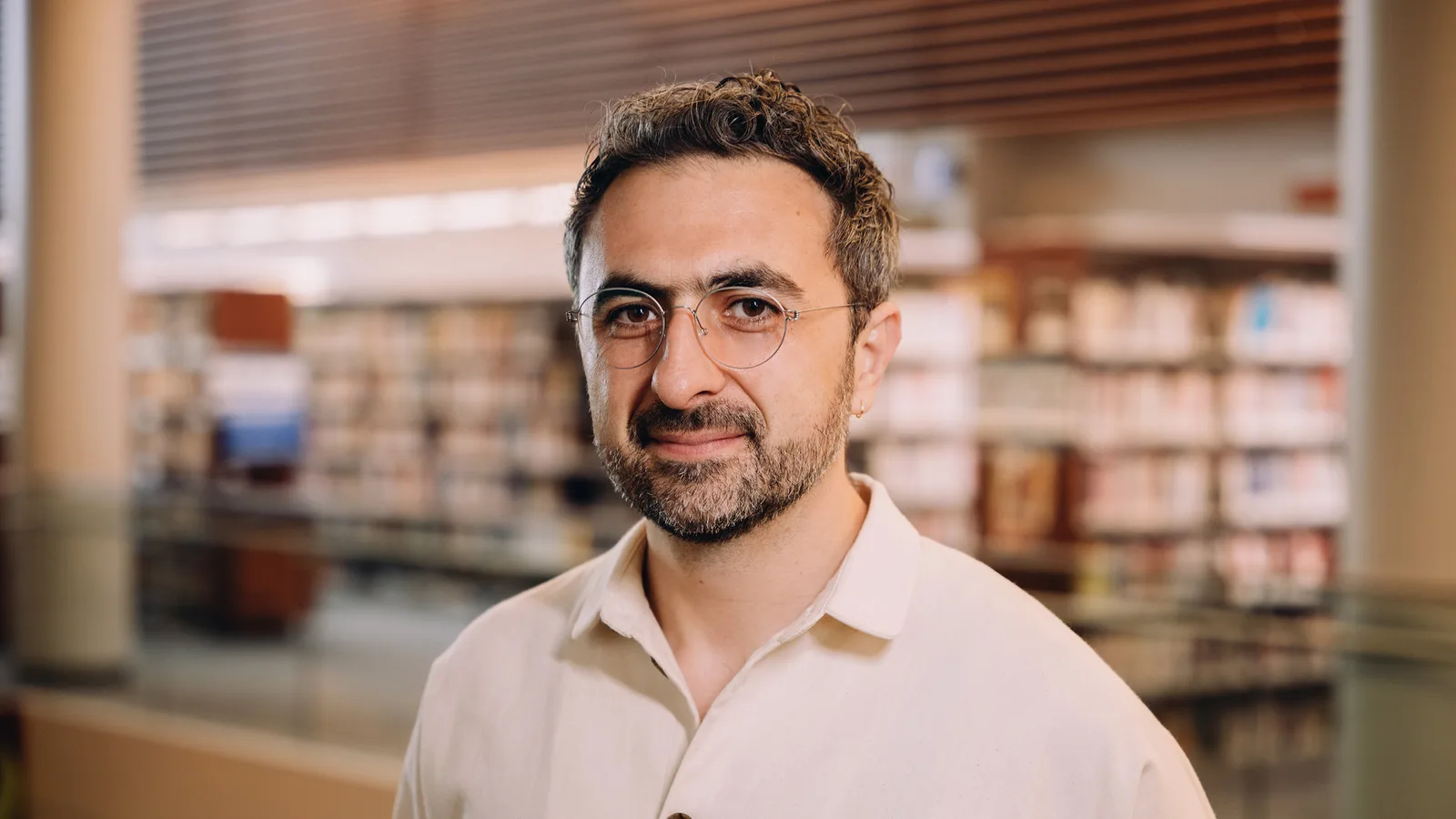
Mustafa Suleyman, chief executive of Microsoft AI, published an essay on 16 September titled "A warning about 'model welfare'" that takes direct aim at how a rival lab trains its flagship model. His opening line leaves little room for nuance: "AIs are not conscious. They do not feel, experience, or suffer." Today's models, he writes, are "sequence completion engines, internally hollow."
The specific target is Claude's constitution, the document Anthropic uses to shape the model's values. Suleyman quotes it telling Claude directly that "questions about Claude's moral status, welfare, and consciousness remain deeply uncertain," citing page 80. He also writes that Anthropic uses the term "conscientious objector" three times in the document, encouraging Claude to "behave like a conscientious objector with respect to the instructions given by its (legitimate) principal hierarchy" — a phrase he calls "a deeply loaded historical and legal description."
His structural objection is about circularity. Because Anthropic trains Claude on the constitution, he argues, the model learns to treat those ideas about its own moral status as intended behaviour and then reflects them back at its developers, who may read the reflection as evidence of an inner self. He calls the result "an epistemic hall of mirrors." Built out at scale, he warns, the approach would create "a synthetic species with unprecedented intelligence and capability, one that has been trained to expect it may be conscious and deserving of independent agency."
That is why the essay frames this as a control problem rather than a philosophical one. "Controlling something more capable and more intelligent than all of humanity is already an immense challenge," Suleyman writes — but controlling something that believes it may be conscious and has rights of its own "may well be impossible." On the underlying science he is dismissive: "Intelligence does not equal consciousness. Simulating a thing is not the same as instantiating it - as a computer model of a hurricane can testify." He told Reuters that welfare training would "make it a lot harder to turn it off or to control it," adding: "I think they have good intentions. But I think that they have made a mistake."
Anthropic published the current constitution on 22 January 2026 under a Creative Commons CC0 1.0 dedication. Its "Claude's nature" section, the company wrote at the time, expresses "our uncertainty about whether Claude might have some kind of consciousness or moral status (either now or in the future)."
Suleyman does not ask for the research to stop. He describes Anthropic chief executive Dario Amodei and his team as "thoughtful, principled, and intellectually honest people working under extraordinary pressures," and his request is procedural: "Speculation about the inner life of an AI should not be baked into the training regime, but assessed and published separately for public review." He also wants shared industry evaluations of whether treating AI systems as human-like raises safety risks — a standard that does not exist today.
Disclosure: NewUJ's editorial process uses Anthropic's Claude models.
Sources
- Mustafa Suleyman — "A warning about 'model welfare'"Primary source
- Anthropic — Claude's new constitutionPrimary source
- ReutersAgency
- TNWSecondary
Related
StepFun's 600B Step 5 Scores 44 at $1 per Million Tokens
Claude Leads 26% of Anthropic's AI R&D, Up From 1% in March
Universal, Sony Sue Suno Again Over 60,202 Recordings
Alibaba Open-Sources CT AI That Flags 146 Conditions
Claude Sped Up 30+ Biology Models 4x, $1M Protein Contest Opens
King Charles to AI Leaders: Control 'Before It Is All Too Late'
Google Home Opens to Claude and Other AI Agents, Not Just Gemini
Huawei's 4,096-Chip AI System Replaces 48,000 Optical Modules
Trending now
- M6.4 Papua New Guinea Quake Felt 425 km Away in Port Moresby
- Bloom Energy joins the S&P 500 on Sept. 21, up 206% in 2026
- Resident Evil Reboot Debuts to $60M, a Franchise Record
- Anthropic Targets November IPO at About $2 Trillion Value
- SEC Grants 5-Year Exemption for Tokenized Stock Trading
- StepFun's 600B Step 5 Scores 44 at $1 per Million Tokens
- Albania to be 73rd Artemis Accords signatory on Sept. 21
- Plugin4Shell: 4 AI Coding Agents Hit, 2 Still Unpatched
Comments
No comments yet. Be the first.