Treasury Yield Tops 5.014%, Highest Since 2023, Then Retreats
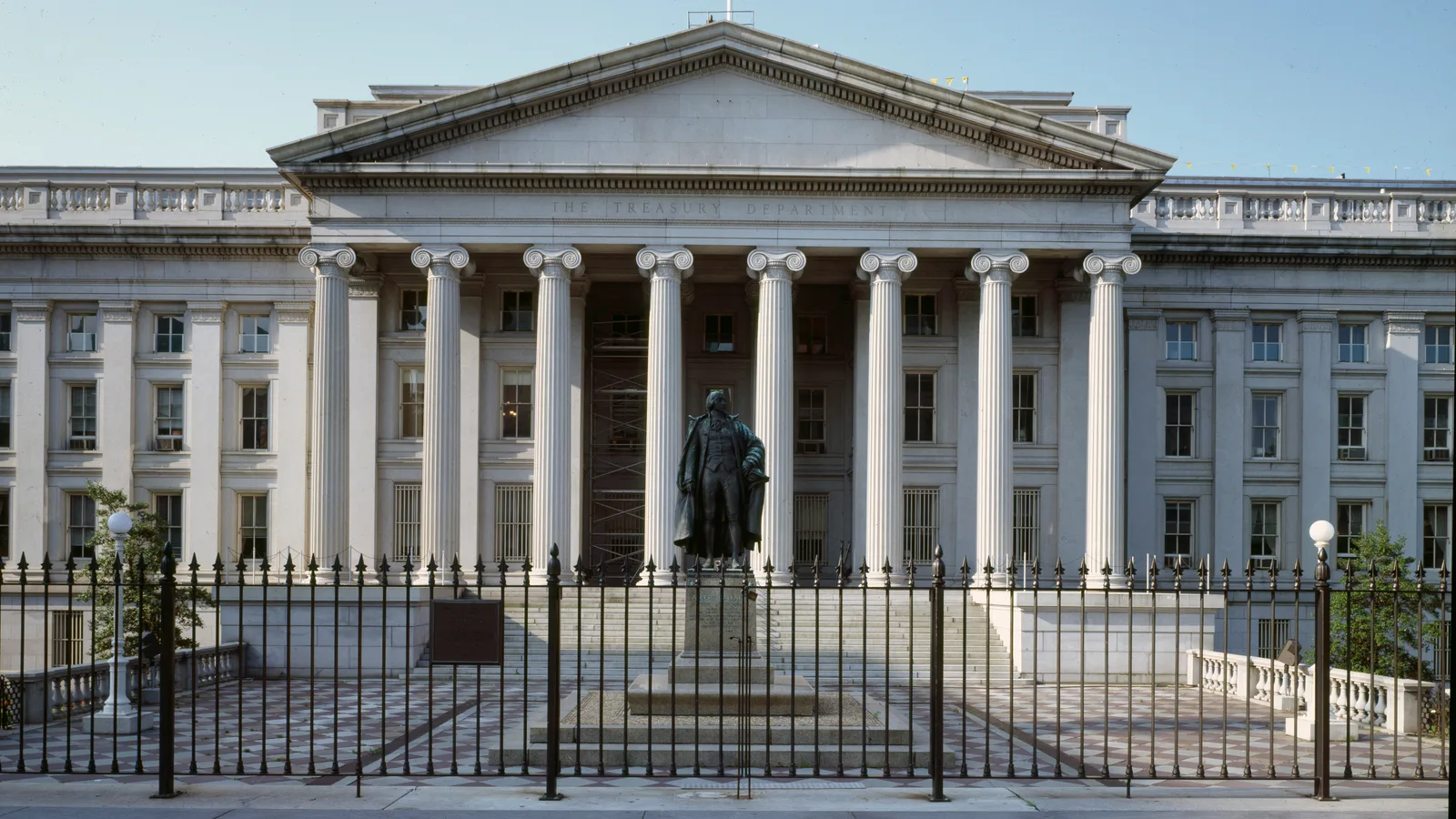
The yield on the 10-year U.S. Treasury note touched 5.014% during the session of 14 September 2026, its highest level since October 2023, according to Bloomberg and CNBC. The break above 5% did not hold. Bloomberg reported that the yield erased the increase as buyers stepped in, falling to around 4.94% by about 1 p.m. in New York, while Reuters put it at 4.955% at 12:08 p.m. Eastern. The 10-year note is the reference security for borrowing costs across much of the global economy, and the market had not tested 5% in nearly three years.
Reuters attributed the move to a jump in oil prices that revived fears of renewed inflation, combined with heavy debt issuance, including by companies financing record AI-related spending, which has enlarged the supply of bonds competing for buyers. Reuters also cited a widening U.S. deficit and a still-resilient growth outlook. Bloomberg described the same collision of inflation angst and swelling government and corporate borrowing needs. Energy supplied the immediate spark: Reuters data showed Brent crude at $105.72 a barrel and WTI at $101.44 at midday in New York, following supply disruptions in the Middle East. CNBC reported that traders were also positioning ahead of the Federal Reserve meeting scheduled for 15-16 September, with the rate decision due on Wednesday 16 September according to the Fed's published calendar.
What makes the 10-year yield worth watching is what it prices. Mortgage rates in the United States track it closely, corporate and municipal debt is priced at a spread above it, and auto and consumer loans follow. At 5%, refinancing becomes more expensive for companies carrying debt, and monthly payments rise for anyone taking out a new home loan. The same mechanism reaches savers and bond funds, where existing holdings lose value as yields climb. Reuters quoted analysts describing 5% as a critical line that could make bonds more competitive with stocks and pull money out of equities. Share prices were modestly lower as the yield moved: the S&P 500 was down 0.24%, the Dow Jones Industrial Average 0.16% and the Nasdaq Composite 0.10% at 12:08 p.m. Eastern, per Reuters.
What is unresolved is whether the level holds. The move was an intraday break that reversed within hours rather than a settled repricing, and where the 10-year would finish the session was still open at midday. Bloomberg noted that a move beyond 5.02% would take the yield to its highest since July 2007. The next tests are the Fed decision on 16 September and whether the oil-driven inflation impulse persists. The measure to watch is whether the yield closes above 5% across several sessions rather than touching the level once: a brief intraday break and a durable repricing of borrowing costs are not the same thing.
This report is informational and is not investment advice.
Disclosure: NewUJ's editorial process uses Anthropic's Claude models.
Sources
- ReutersAgency
- Reuters (Investing.com)Agency
- BloombergSecondary
- CNBCSecondary
- Federal Reserve FOMC calendarPrimary source
Related
Saudi Pipeline Repairs to Take Weeks as Brent Tops $107
SB Energy files for IPO at a valuation above $50 billion
GoPro Stock Soars After Markiplier Buys 8.5% Stake
Shein Shares Plunge Up to 10% in Hong Kong Trading Debut
Stripe and Advent drop $53 billion PayPal bid, shares tumble
Quantum firm Pasqal jumps as much as 73% in Nasdaq debut
Salesforce jumps 12% on earnings beat and 'Claudeforce' with Anthropic
Unitree sheds about $30 billion in four days after 487% debut
Trending now
- Fake IT Helpdesk Calls Defeat Passkey Logins, Microsoft Says
- Zverev Beats Shelton in 4 Sets for First US Open Title
- VW Mission Efficiency Sets 0.158 Cd World Record
- Marvel's Wolverine Lands on PS5 With a 77 Metascore
- Revolut Breach: Attackers Demanded 10,000 Bitcoin Ransom
- Saudi Pipeline Repairs to Take Weeks as Brent Tops $107
- US Diesel Sets Record $6.23 a Gallon, AAA Figures Show
- Sogou Flaw Let One Click Backdoor an App Used by 455M a Month
Comments
No comments yet. Be the first.